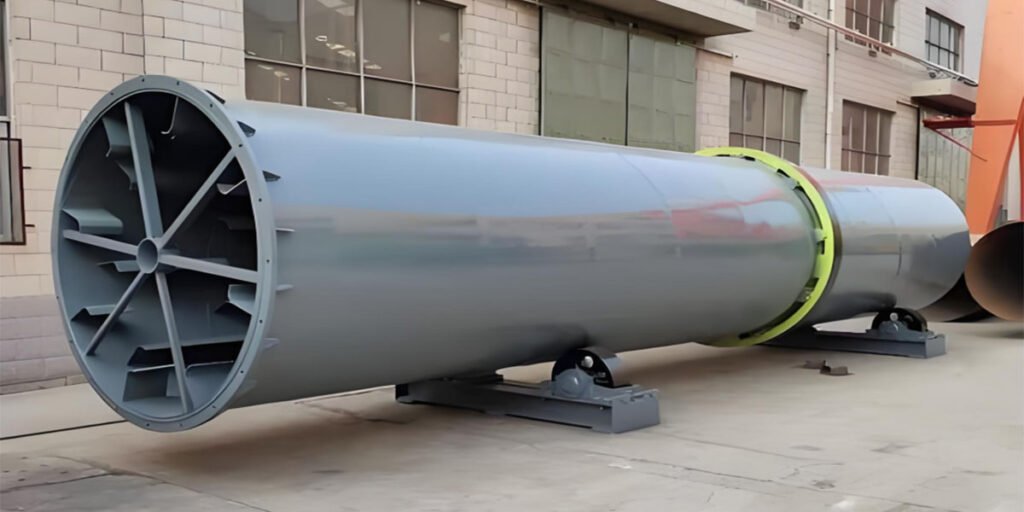
A rotary fertilizer dryer is a large, industrial machine designed to efficiently remove excess moisture from fertilizer granules. Think of it as the workhorse of your production line. After the granulation stage, your fertilizer is often too wet for storage or sale. This machine uses a stream of hot air inside a rotating cylinder to bring the moisture down to the perfect level. This process is crucial for producing a stable, high-quality, and easy-to-handle final product.
How Does Tumbling Action Dry Your Fertilizer?
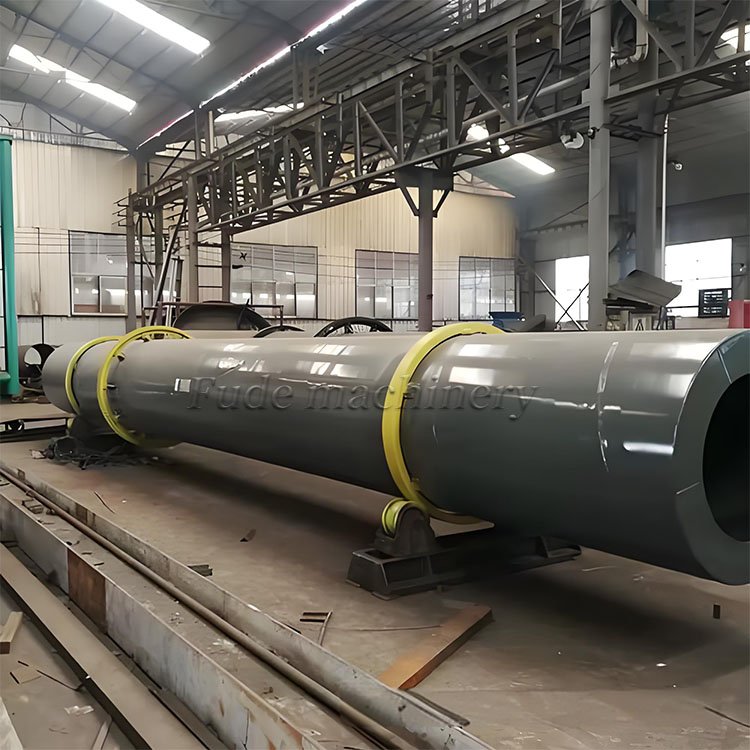
The rotary fertilizer dryer works by continuously lifting and showering your wet fertilizer granules through a current of hot air. This simple but highly effective method ensures fast and even drying. The machine itself is a long, cylindrical drum. We set it at a slight angle and make it rotate slowly. Wet fertilizer granules are fed into the higher end of the drum. Hot air from a furnace is blown in, usually in the same direction the fertilizer is moving.
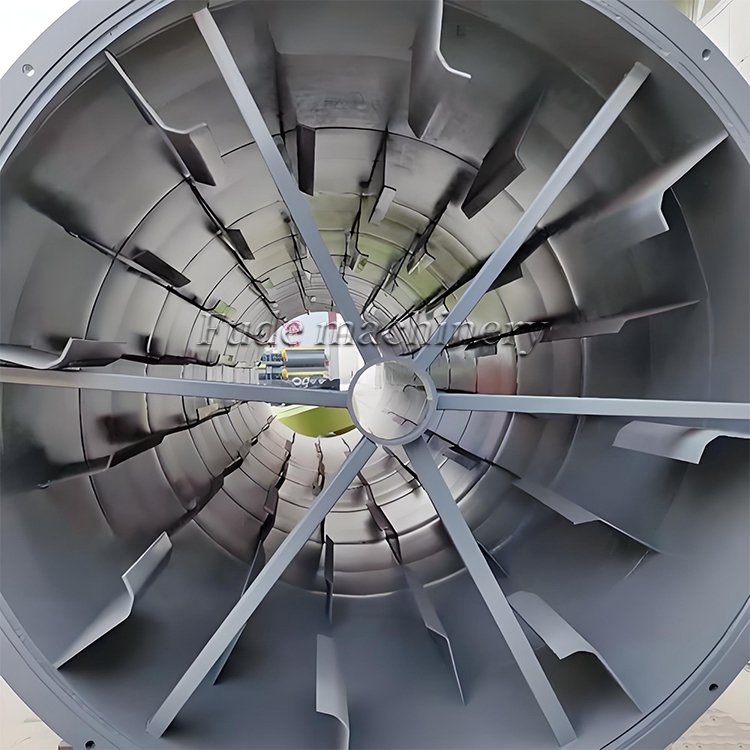
Inside the drum, we weld special plates called “flights” or “lifters” along its length. As the drum turns, these flights scoop up the material. They carry it to the top of the drum and then let it fall down through the hot air. This creates a curtain of material that is constantly mixing and being exposed to heat. Because the drum is tilted, the granules gradually move from the inlet to the outlet as they tumble. By the time they exit the lower end, they are perfectly dry.
Precision Control for a Perfect Product
You have complete control over the drying process. The goal is to remove water without overheating or damaging the fertilizer. We achieve this by adjusting three main variables:
Air Temperature: We can regulate the furnace to control the temperature of the hot air entering the drum.
Rotation Speed: We can change how fast the drum turns. A slower rotation means the material stays inside longer for more drying time.
Drum Angle: The angle of the drum affects how quickly the material moves through it.
By balancing these factors, you can consistently achieve the ideal final moisture content, which is typically below 20% for organic fertilizer.
Why Is a Rotary Dryer the Top Choice for Fertilizer Plants?
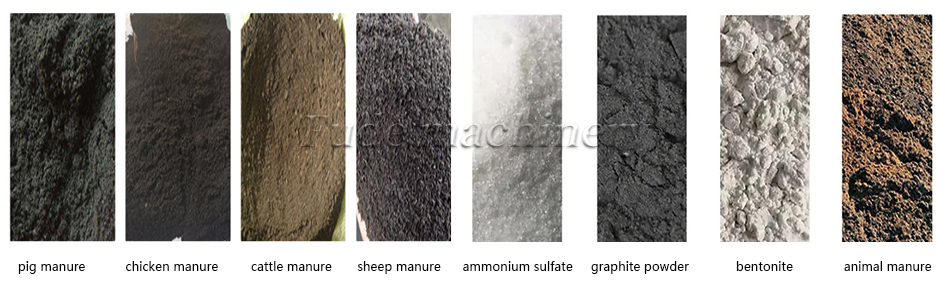
A rotary fertilizer dryer is the most popular choice because it is reliable, efficient, and can handle a huge variety of materials. From livestock manure and compost to complex NPK formulas, this machine gets the job done. Its simple, heavy-duty construction means it can run for long hours with minimal maintenance. This is very important for a busy fertilizer production plant that cannot afford downtime.
The efficiency of a rotary drum dryer comes from its direct heating method. The hot air is in direct contact with the material, which allows for rapid heat transfer and quick water evaporation. This high thermal efficiency means you use less fuel to dry each ton of fertilizer, which directly lowers your operating costs. At Fude Machinery, we have been building these machines since 2015. We have perfected the design to maximize this efficiency, saving our clients money every day.
Benefits a Rotary Dryer Brings to Your Business
Investing in the right drying equipment solves many common problems and adds significant value to your product. Here is how a rotary dryer helps you.
Common Production Problem
How Our Rotary Dryer Solves It
Your Business Advantage
Product Caking and Clumping
Creates hard, free-flowing granules
Enables smooth automated packaging and easy application by farmers
High Shipping Costs
Reduces water weight by over 50%
Lowers transportation expenses and increases your profit margin
Short Shelf Life & Spoilage
Stops mold and microbial activity
Allows for long-term storage, reducing product loss and waste
Inconsistent Quality
Produces uniformly dried product
Builds customer trust and a reputation for a professional product
Practical advice for you:
For large-scale farms: A rotary dryer allows you to process large volumes of animal manure quickly, turning a waste problem into a valuable product.
For fertilizer manufacturers: This machine is the key to creating a standardized product that meets quality requirements for both local and international markets.
For investors: The reliability and low operating cost of a rotary dryer offer a fast return on investment for a new fertilizer plant.
What Are the Key Parts of a Fude Rotary Dryer?
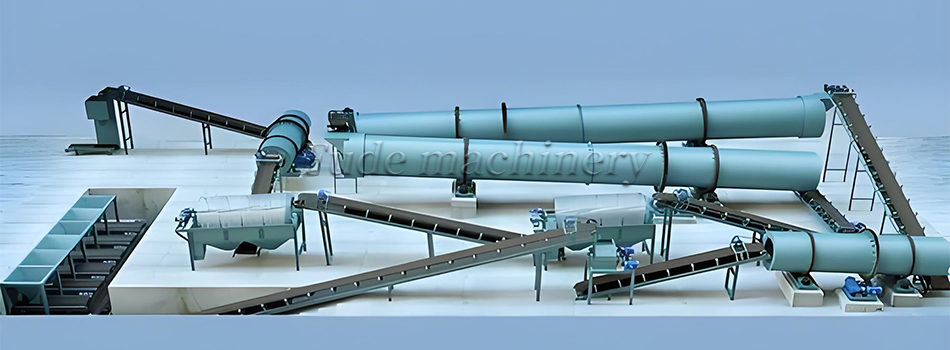
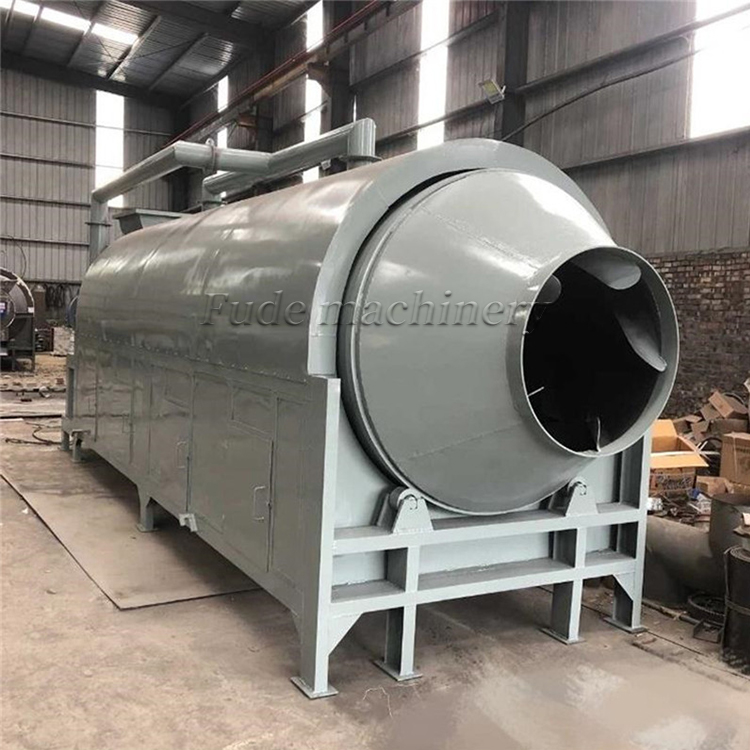
Our rotary fertilizer dryers are made of four main components: the main drum, the drive system, the heat source, and the dust collection system. We build each part with high-quality materials to ensure long life and reliable performance. We focus on a simple design that is easy for your team to operate and maintain.
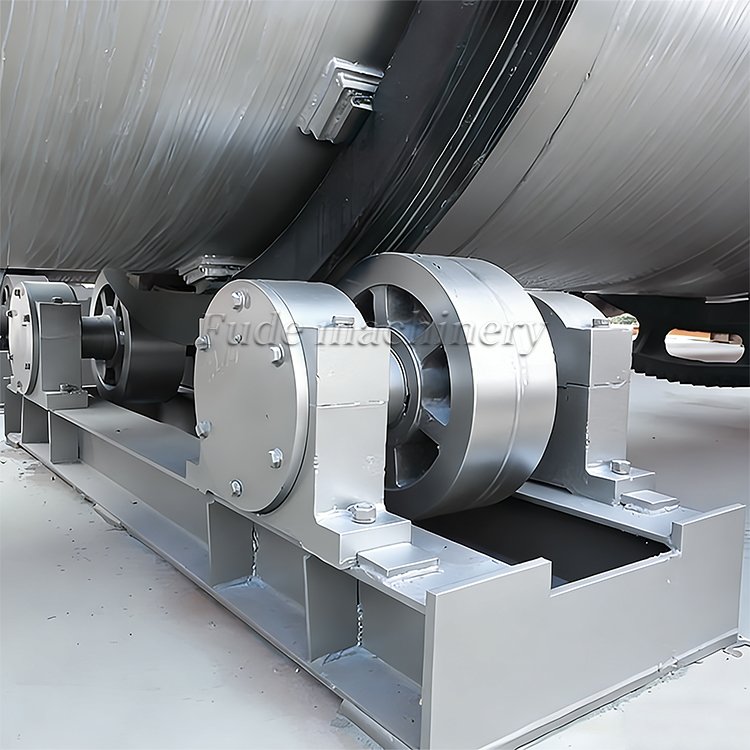
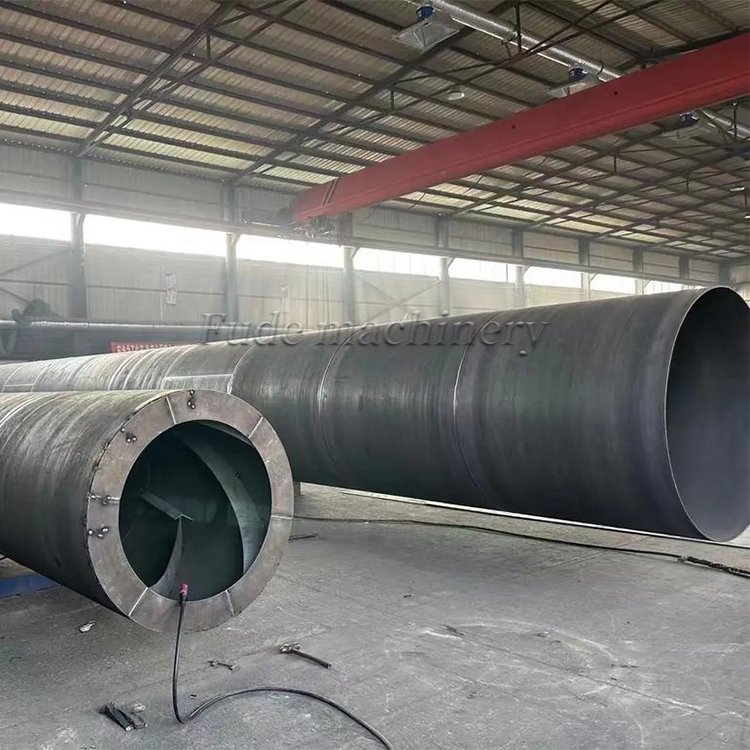
The Main Drum: This is the heart of the machine. It is a thick steel cylinder with the internal flights welded in a specific pattern to maximize the showering effect. It rests on heavy-duty support rollers that allow it to turn smoothly.
The Drive System: A powerful electric motor connected to a robust gearbox turns the drum. We use a gear and ring system to provide strong, consistent torque. The speed is often adjustable so you can fine-tune the drying process.
The Heat Source: This is typically a hot air furnace located at one end of the dryer. We can customize it to use the fuel that is most affordable for you, whether it’s coal, natural gas, diesel, or biomass.
Dust Collection: The drying process can create dust. We include a cyclone dust collector and an exhaust fan. This system captures fine particles from the exhaust air, protecting the environment and recovering valuable product.
How to Choose the Right Size Rotary Dryer?
Choosing the right size depends on your target production capacity and how much water you need to remove. You need to tell us three things: your desired output in tons per hour, the initial moisture of your wet granules, and the final moisture you want to achieve. A bigger machine is not always better. A dryer that is too large will waste energy, while one that is too small will slow down your entire production line.
Our team of 15 engineers helps you perform a simple calculation. We figure out the total kilograms of water that need to be evaporated every hour. This “evaporation capacity” is the most important factor in selecting the correct model. For example, drying 10 tons of fertilizer from 40% moisture down to 15% requires removing much more water than drying the same amount from 25% moisture. We will analyze your needs and recommend a rotary fertilizer dryer that is perfectly sized for your operation, ensuring maximum efficiency and the lowest possible operating cost.
Frequently Asked Questions
Question 1: What is the main advantage of a rotary fertilizer dryer? The main advantage of a rotary fertilizer dryer is its high thermal efficiency and ability to handle large volumes of material continuously. The tumbling action inside the drum ensures every granule is evenly exposed to heat, resulting in a uniform and consistently dried product.
Question 2: What fuel sources can be used with a rotary dryer? Our rotary dryers are very flexible. We can design the furnace to use a variety of fuels based on what is cheapest and most available to you. Common options include natural gas, coal, diesel, firewood, and other biomass sources.
Question 3: How do you control the final moisture content? We control the final moisture by adjusting three key factors: the temperature of the hot air from the furnace, the rotation speed of the drum, and the angle of the drum. This gives you precise control to achieve your target moisture level, typically below 20%.
Question 4: Is a rotary dryer suitable for sticky materials like sludge? Yes, a rotary dryer is excellent for sticky materials. We can install special chain-type lifters inside the drum. These chains break up clumps and prevent material from sticking to the inner wall, ensuring smooth operation and effective drying.
Summary and Recommendations
The rotary fertilizer dryer is an essential machine for any serious fertilizer production facility. Its robust design and high efficiency make it the best choice for removing moisture from granulated fertilizer. This machine is critical for creating a stable, high-quality product that is easy to store, package, and sell. When choosing a dryer, the most important factors are your production capacity and the moisture content of your material.
We strongly recommend that you partner with an experienced manufacturer like us. We can help you select the perfect size and configuration for your needs. A correctly sized rotary drum dryer will save you money on fuel and operate reliably for many years. It is a smart investment that will pay for itself by improving your product quality and lowering your operational costs.
About Fude Machinery
We are Fude Machinery, a specialized manufacturer of organic fertilizer equipment located in Zhengzhou, China. Since 2015, we have been helping businesses around the world build efficient and profitable fertilizer plants. We provide a complete range of equipment, from composting to packaging. As a factory-direct seller, we offer competitive prices and can customize any machine to your exact specifications. Our products are trusted by clients in over 120 countries.
Are you ready to produce a better fertilizer product? Contact our team today for a technical consultation and a fast, no-obligation quote. Let’s build a successful project together.
An organic fertilizer granulator machine takes powder material. It forms this material into solid granules. It uses methods like rolling, pressing, or mixing. This binds particles together for better use. Want round organic fertilizer particl...
Struggling with urea dust or inconsistent granules? Need a reliable way to turn urea into easy-to-handle fertilizer pellets? We can help you find the solution. Solving urea granulation involves choosing the right process, like extrusion, disc,...
As a fertilizer equipment manufacturer, we are well aware that the quality of the raw material plays a key role in the production of high quality fertilizer. Wood crusher is one of the most important elements of biomass fertilizer production equi...
In the organic fertilizer production sector, transforming composted organic fertilizers into fine powder products that meet market demands is a core step in enhancing product value. As a company with years of expertise in organic fertilizer equ...
 Organic fertilizer equipment,organic fertilizer production line,organic fertilizer equipment factory