A fertilizer dryer is a machine that removes excess water from your fertilizer granules. You need this machine to make a high-quality product. After granulation, fertilizer often has a moisture content of 30-40%. A dryer brings this down to a safe level, usually below 20%. This simple step is vital. It prevents your fertilizer from clumping together, makes it easier to store, and ensures it flows smoothly through packaging and application equipment.
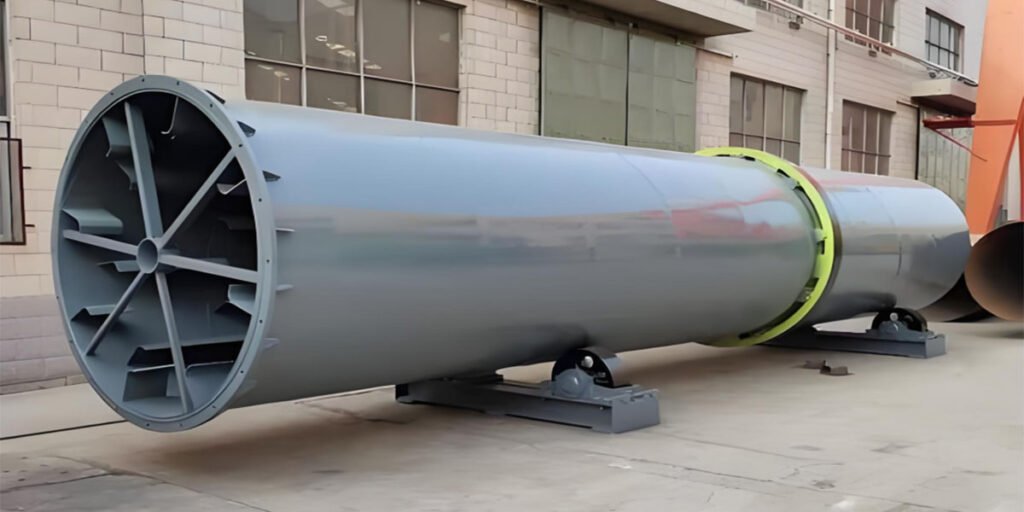
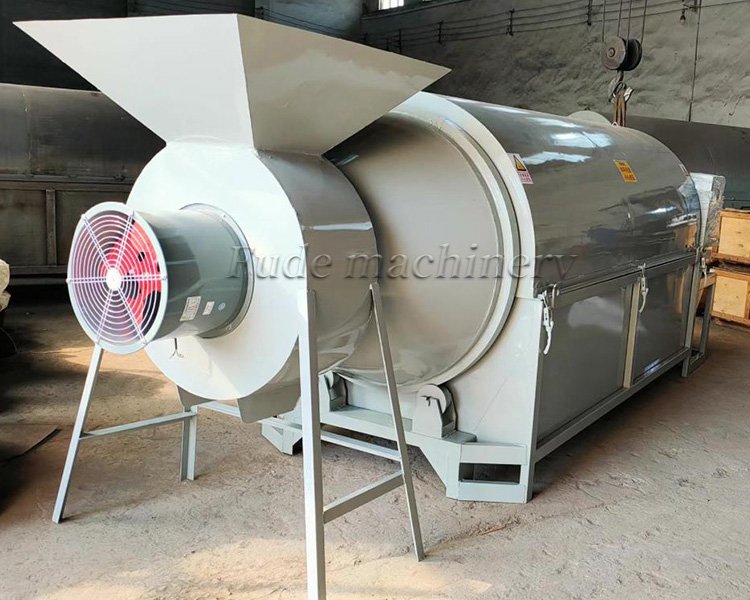
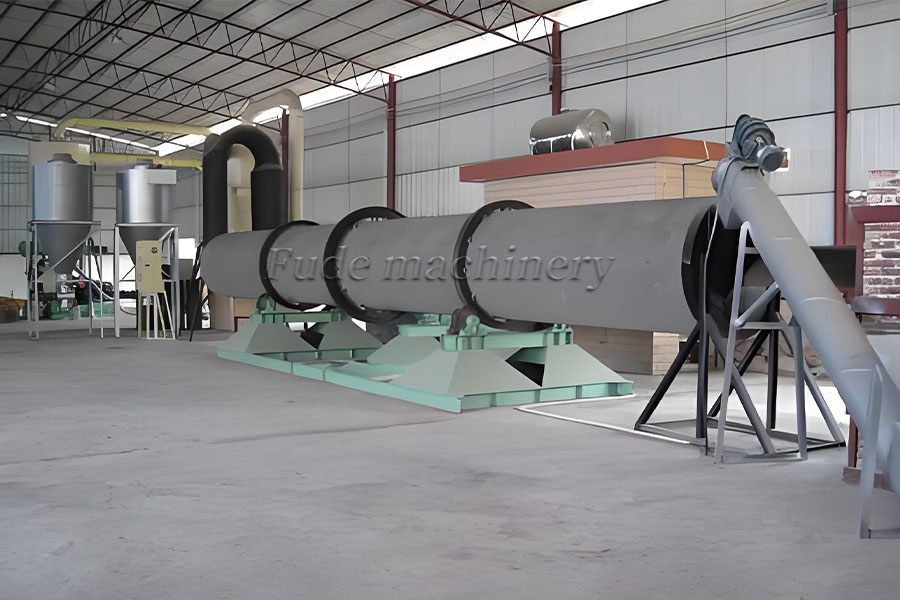
A rotary fertilizer dryer works by tumbling wet granules in a stream of hot air inside a large, slowly rotating drum. This process is very efficient at evaporating moisture. Think of it like a giant, heavy-duty clothes dryer, but designed specifically for fertilizer production. The machine is built to handle tough materials and run continuously for hours.
Inside the drum, there are special plates called “flights” or “lifters.” As the drum rotates, these flights pick up the fertilizer granules. They then shower them down through the hot air flowing through the cylinder.
This action exposes the entire surface of each granule to the heat. It ensures even and fast drying. We carefully design the angle of the drum and its rotation speed. This controls how long the fertilizer stays inside, giving it the perfect amount of time to dry without being damaged.
Key Parts of the System
Our rotary dryers are simple and robust. They are designed for reliability and easy maintenance.
Rotating Drum: This is the main body of the machine. It is a large steel cylinder that is slightly tilted to allow gravity to help move the material from the inlet to the outlet.
Heat Source (Furnace): This provides the hot air needed for drying. You can use various fuels, like natural gas, coal, diesel, or even biomass. We can customize the furnace to match the fuel you have available.
Drive System: A powerful motor and gearbox turn the large drum at a slow, consistent speed.
Inlet and Outlet Chutes: These sealed openings allow wet fertilizer to enter and dry fertilizer to exit without letting the hot air escape.
Why is Controlling Moisture in Fertilizer So Important?
Proper moisture control is the key to product quality, shelf life, and ease of use. If your fertilizer is too wet, it will cause many problems for your business. Granules will stick together, forming large, hard clumps. This is called caking. Caked fertilizer is difficult to package, store, and apply. High moisture also encourages mold and bacteria to grow, which can ruin your entire batch and shorten its shelf life.
On the other hand, if fertilizer is too dry, it can become dusty. This dust represents lost product and can be a problem in the workplace. The ideal moisture content for most organic fertilizers is below 20%. At this level, the granules are hard, stable, and flow freely. Using a fertilizer dryer gives you precise control over this final moisture level. It transforms your raw granules into a professional, high-value product that your customers can trust and use easily.
How a Dryer Directly Benefits Your Business
A dryer isn’t just another machine; it’s an investment that pays you back. It solves common problems in fertilizer production and adds real value to your operation.
Problem Without a Dryer
Solution With a Dryer
What This Means For You
Caking & Clumping
Uniform, Free-flowing Granules
Easy automated packaging & application
High Transportation Weight
Reduced Product Weight
Lower shipping and logistics costs
Short Shelf Life
Prevents Mold & Spoilage
Longer storage time, less wasted product
Inconsistent Product
Standardized Quality
Build a strong brand and customer trust
Practical Advice for You:
For high-moisture waste: If you use animal manure or sludge, a dryer is essential. It reduces volume and makes the material manageable.
To increase hardness: The drying process significantly improves the compressive strength of granules, preventing them from being crushed during handling.
For a professional look: Dried granules have a better appearance and feel, which is important for retail products.
Real-World Example: One of our clients in Southeast Asia processes chicken manure. Before installing our dryer, they struggled with their product clumping in bags during the humid season. After integrating our rotary dryer, their final product moisture dropped to 15%. This completely solved the caking issue and allowed them to store their fertilizer for over a year.
Learn more about how a fertilizer dryer can fit into your process.
What Are the Main Types of Fertilizer Dryers?
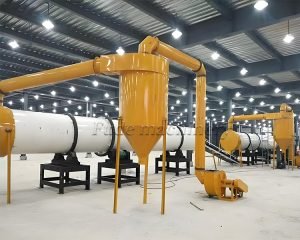
The most common and versatile machine for this job is the rotary drum dryer. We at Fude Machinery specialize in this type because it is reliable, efficient, and suitable for a wide range of materials. It can handle both organic fertilizers, like compost and manure, and compound NPK fertilizers. Its simple design makes it easy to operate and maintain, which is a huge advantage for any production plant.
While other types of dryers exist, the rotary drum dryer offers the best balance of performance, cost, and durability for most fertilizer applications. We can customize every aspect of our rotary dryers. This includes the drum length and diameter, the internal lifter design, and the type of furnace. This ensures you get a machine perfectly matched to your raw materials, desired output, and available fuel source. This customization is a key part of our service.
How Do You Choose the Right Fertilizer Dryer for Your Plant?
Choosing the right fertilizer dryer depends on your production capacity, your material’s properties, and its initial and final moisture content. You don’t want a machine that is too small, as it will create a bottleneck in your production. You also don’t want one that is too large, as it will waste energy and increase your costs. We help you find the perfect balance.
Our engineers work with you to understand your specific needs. We ask about the tons per hour you need to produce. We ask about your raw materials. For example, drying sticky sludge is different from drying composted straw. Based on this information, we calculate the exact size and specifications for your dryer. This ensures it will integrate seamlessly into your complete organic fertilizer production line and operate at peak efficiency.
Considering Your Raw Materials
Different materials behave differently when heated.
Sticky Materials: Materials like sewage sludge may require special internal lifters to prevent them from sticking to the drum wall.
Light Materials: Materials like composted straw or sawdust are less dense. They may need adjustments to the airflow to prevent them from being blown out of the dryer too quickly.
Heat-Sensitive Materials: Some organic materials can be damaged by excessive heat. We design systems with precise temperature controls to protect the valuable nutrients and microbial life in your fertilizer.
Frequently Asked Questions
Question 1: What is the ideal moisture content for organic fertilizer? The ideal moisture content for finished organic fertilizer is generally below 20%. This level prevents caking, stops mold growth, and makes the granules stable for long-term storage and easy for automated packaging.
Question 2: Can one fertilizer dryer handle different types of materials? Yes, our rotary drum dryers are very versatile. We can adjust the rotation speed, internal temperature, and airflow to effectively dry different materials, from poultry manure and compost to chemical powders.
Question 3: How much energy does a fertilizer dryer consume? Energy consumption depends on the dryer’s size, the initial moisture of your material, and how much water needs to be removed. At Fude Machinery, we design our dryers with high thermal efficiency to keep your fuel costs as low as possible.
Question 4: Does the drying process damage fertilizer nutrients? No, when the process is controlled properly, it does not harm the nutrients. Our fertilizer dryers use carefully managed heat to evaporate water without burning the organic matter or destroying beneficial microorganisms.
Summary and Recommendations
A fertilizer dryer is an essential machine for any serious fertilizer producer. It is the key to creating a high-quality, stable, and valuable product. The rotary drum dryer is the most reliable and versatile option for most applications. When choosing a dryer, you must consider your capacity, material type, and moisture levels. This ensures you get a machine that works efficiently for your specific needs.
We recommend you take these steps before making a decision. First, get a clear analysis of your raw material’s moisture content. Second, decide on your target hourly production rate. Finally, speak with our experienced engineers. We can help you select the perfect dryer and ensure it works perfectly with your other equipment, like your fertilizer granulator machine. This will help you build a smooth and profitable production line.
About Fude Machinery
We are Fude Machinery, a professional manufacturer of organic fertilizer equipment based in China. Since 2015, we have specialized in providing complete solutions for the fertilizer industry. We design and build every machine in the production line, from compost turners to packaging machines. Because we are the manufacturer, we offer factory-direct prices and can fully customize equipment to meet your needs. We have successfully exported our machines to over 120 countries.
Ready to improve your fertilizer quality? Contact us today for a free quote or to discuss your project with our engineering team. We are here to help you succeed.
The working principle of the organic fertilizer shovel feeding bin mainly involves the storage, transportation, and control process of materials, which can be summarized as follows:
The work efficiency of organic fertilizer production lines is a comprehensive indicator that is influenced by various factors, including equipment performance, raw material quality, process flow, operational level, and production environment. The ...
Inconsistent fertilizer means unpredictable plant nutrition. This variability can stress plants and limit their growth. Proper equipment ensures consistent processing for reliable nutrient delivery. Our equipment controls composting maturity, part...
Choosing the right fertilizer crusher is the first and most important step to creating a high-quality product. Your raw material, especially after composting, is never perfectly uniform. It has clumps, lumps, and oversized pieces. If you feed this...
 Organic fertilizer equipment,organic fertilizer production line,organic fertilizer equipment factory