 Organic fertilizer equipment,organic fertilizer production line,organic fertilizer equipment factory
What is the difference between a vertical crusher and a horizontal crusher
505There are significant differences between vertical and horizontal crushers in multiple aspects. The following is a specific comparative analysis:
View detailsSearch the whole station
I often get asked if a Twin-Roll Extrusion Granulator can handle a specific type of waste or powder. The short answer is yes, if the material can be compressed, this machine can pelletize it. I have seen this equipment transform everything from wet chicken manure to dry chemical salts into high-value pellets. In my experience, the secret is understanding how the material reacts to high pressure. I will show you exactly which materials work best and how to prepare them for the best results.

Organic wastes are the primary materials for this machine because they have natural binders. I describe these binders as “nature’s glue.” When I process poultry manure, cattle manure, or pig waste, the organic fibers and proteins stick together under pressure. The Twin-Roll Extrusion Granulator squeezes these materials so hard that they form a solid bond. You do not need to add expensive chemicals to make the pellets stay together. This makes the process very cheap and eco-friendly for large farms.
I have found that materials with a bit of fiber are the easiest to process. For example, if you mix animal manure with chopped straw or corn stalks, the pellets become even stronger. The fibers act like a skeleton inside the pellet. This is why I always recommend my clients use a crushing system first. If the organic waste is too chunky, the rollers cannot grip it. Once you turn it into a fine powder, the twin-roll machine creates a dense, professional pellet.
Poultry manure is one of the most common materials I handle. It is often very sticky and high in nitrogen. In a disc granulator, this stickiness is a problem because it clumps. But in a twin-roll machine, stickiness is an advantage. The high pressure forces the sticky manure into a tight cylinder. I have helped many poultry farms turn their waste lagoons into bags of sellable organic fertilizer. This removes the smell and the pollution from the farm.
Cattle and pig manure are also great. They usually have more moisture and fiber. I suggest that you let these materials ferment first. Fermentation breaks down the raw waste and makes it more stable. Once the material is composted, it becomes a perfect raw material for the organic fertilizer granulation equipment. The resulting pellets are hard and do not break during shipping. This is a huge win for farmers who sell their fertilizer to other regions.
| Organic Material | Fiber Level | Stickiness | Your Practical Benefit |
|---|---|---|---|
| Poultry Manure | Low/Medium | High | Fast production, very hard pellets |
| Cattle Manure | High | Medium | Great structural strength, high volume |
| Pig Manure | Medium | Medium | Easy to compress, good for soil |
| Mushroom Waste | Very High | Low | Very dense pellets, needs more water |
Practical tips for organic materials:
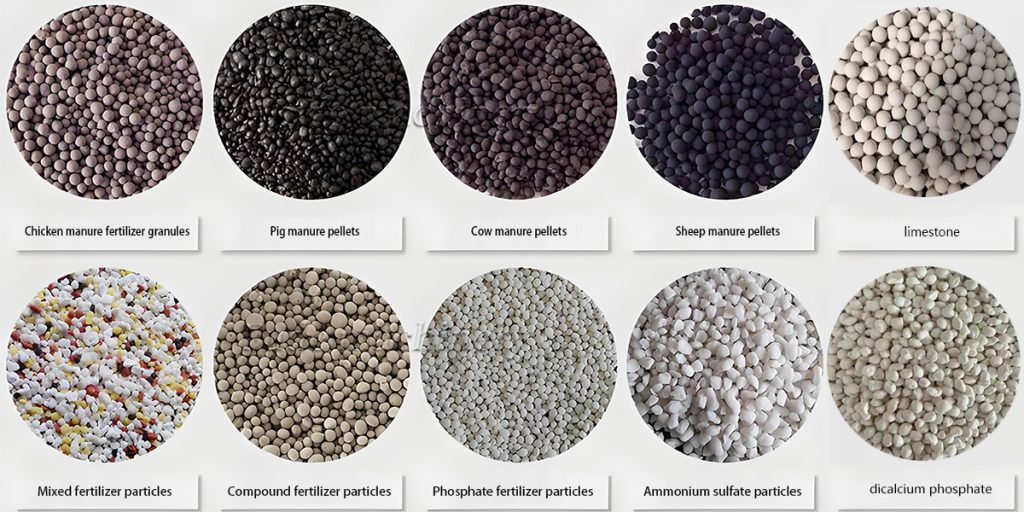
The twin‑roll extrusion granulator is ideal for chemical raw material granulation. It turns dusty industrial powders into solid pellets, improving safety, handling and transportation.
Unlike manure, chemical salts and mineral powders lack natural adhesives, so adding a small chemical binder helps form hard grains faster than traditional drum granulation with zero dust.
For hard, abrasive minerals, tungsten carbide or high‑chrome alloy steel rollers resist wear, maintaining stable pellet size long‑term. Adjusting roller gap controls pellet density for weight‑sold chemicals and heavy‑duty industrial applications.
Acidic or alkaline chemicals are corrosive, so standard carbon steel rusts easily. I offer full high‑grade stainless steel models (hopper, rollers, cutter included) to avoid product contamination and extend service life from 2 to 10 years.
A closed feeding system linking the mixer and granulator forms a sealed loop, stopping powder leakage to protect workers and keep the factory clean. Custom‑designed sealed systems are available for existing factory layouts.
Practical tips for chemical granulation:
Actual Case: A magnesium sulfate producer in Europe needed to stop their powder from dusting. I installed a stainless steel twin-roll system. They reduced their factory dust levels by 90% and their shipping costs dropped because pellets pack more tightly in containers.
Moisture is key for granulator selection. Unlike most units requiring extremely dry or wet materials, the Twin‑Roll Extrusion Granulator works best at 15–30% moisture, forming thick paste easy for rolling. Too‑dry material slips; too‑wet material leaks, which can be fixed by adjusting water content for stable granulation.
A major benefit is high‑moisture direct granulation: wet compost can be processed directly without pre‑drying, cutting energy costs and equipment quantity. It also retains natural nutrients and beneficial bacteria for high‑quality bio‑fertilizers.
Ideal moisture varies by material (e.g., poultry manure tolerates more water while wood chips need extra water). A real‑time moisture sensor and pre‑granulation mixing tank ensure even moisture for consistent, uniform pellets.
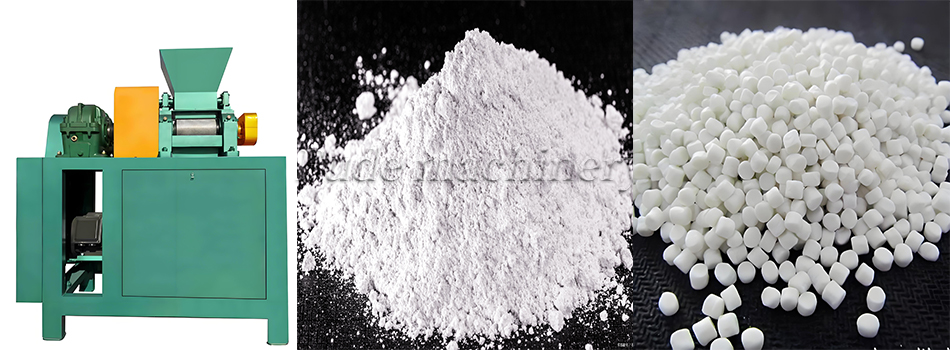
The twin‑roll granulator is powerful but not universal. It cannot process three types of materials.
Oily substances cause roller slipping and fail granulation. Highly elastic materials like rubber rebound instead of forming pellets, requiring thermal‑based extruders.
High‑sand materials produce fragile pellets and abrade rollers severely. Washing and screening raw materials are recommended to extend machine life, included in complete fertilizer production lines.
Overly coarse materials such as big branches and stones jam rollers and damage gears. Pre‑crushing materials to ≤5 mm with crushers ensures smooth feeding, even pressure distribution and stable pellet quality.
Actual Case: A client tried to process waste plastic mixed with organic matter. The plastic caused the pellets to spring back and the machine to jam. I helped them install a sorting belt to remove the plastic first. Once the plastic was gone, the organic pellets came out perfectly.
High‑quality pellets rely on customized material formulas tailored to chemical properties. Soft organic waste needs hardeners like clay, zeolite or NPK to boost pellet density. Proper particle size mixing of fine powder and coarse grains avoids overly dense or brittle pellets.
Liquid binders improve pellet appearance and performance: molasses for glossy organic fertilizer pellets, while starch or polymer binders for industrial ones enhance hardness and moisture resistance for longer shelf life.
Nutrient additives may affect material friction and granulation. Pilot‑scale tests help optimize ratios of manure, straw and additives, producing premium slow‑release pellets favored by professional farmers.
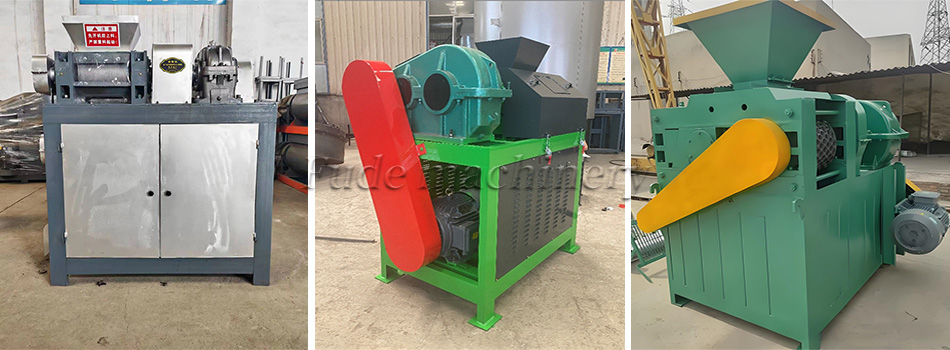
In 2026, I am seeing a huge move toward “Circular Economy” materials. People are no longer just using manure. They are mixing in urban waste, like coffee grounds from cafes and sludge from water treatment plants. The Twin-Roll Extrusion Granulator is perfect for this because it can handle these diverse and often “messy” materials. We are seeing a trend toward “multi-waste” pellets that combine 3 or 4 different waste streams into one product.
We are also seeing the rise of “Functional Fertilizers.” These are pellets that contain slow-release coatings. My latest machines allow you to granulate the core and then apply a thin coating of wax or polymer in a secondary drum. This means the material inside is processed by the twin-roll machine, but the final product is a high-tech, timed-release fertilizer.
Latest Progress Overview:
Market Insight:
The demand for “Carbon-Negative” fertilizer is growing. By using the Twin-Roll Extrusion Granulator to lock carbon-rich materials like biochar into pellets, manufacturers can sell “Carbon Credits.” This adds a whole new revenue stream to the fertilizer business. I am now designing lines specifically for biochar-organic mixes.
Question 1: Can I use this machine for raw sawdust?
Yes, but sawdust is very dry and doesn’t stick well. I suggest adding a binder or water. I also recommend a pre-mixing stage to make sure the sawdust is evenly dampened.
Question 2: Will the machine work with wet sludge from a city plant?
Yes, but you must remove the excess water first. I suggest using a screw press or a centrifuge. Once the sludge is a thick paste, the twin-roll granulator handles it perfectly.
Question 3: What happens if I put a piece of metal in the machine?
A piece of metal can scratch the rollers or jam the system. This is why I always recommend a magnetic separator on your conveyor belt. It is a cheap way to protect a very expensive machine.
Question 4: Can I change the recipe daily?
Yes. The Twin-Roll Extrusion Granulator is very flexible. You just need to adjust the roller gap and the moisture level to match the new material.
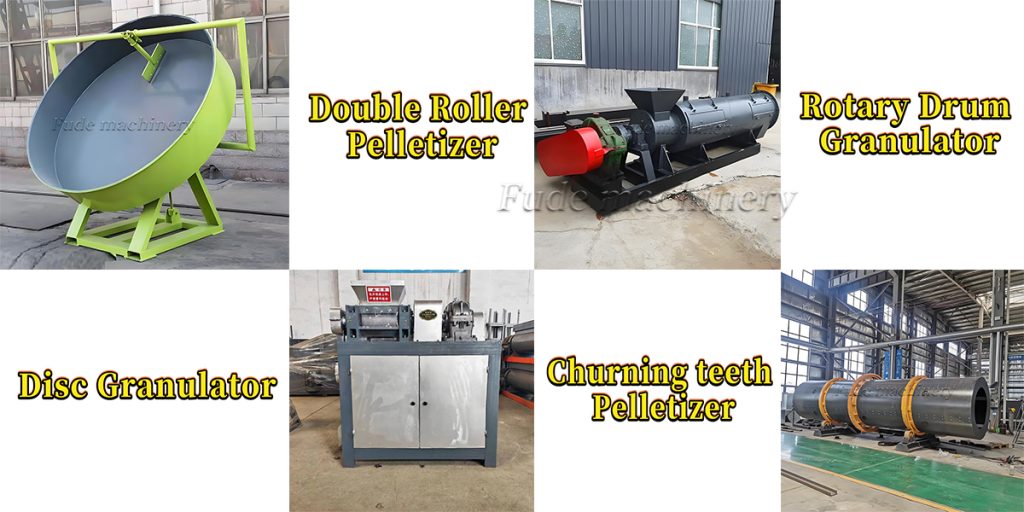
The Twin-Roll Extrusion Granulator is a versatile tool that works with almost any compressible material. Organic wastes like poultry and cattle manure are perfect because they have natural binders. Chemical powders can also be processed, provided you use a binder and the right roller material. The biggest advantage of this machine is its ability to handle high-moisture materials, which saves you money on drying. However, you must avoid oily, elastic, or overly sandy materials to protect the machine.
If you want the best pellets, focus on your “recipe.” Use a crusher to get a fine powder, and use a mixer to balance moisture and additives. I suggest starting with a sample test. Send me your material, and I will tell you exactly which roller material and moisture level you need.
For your next step, I recommend mapping out your waste sources. If you have multiple types of waste, a twin-roll system is your best bet for a consistent product. Contact Fude Machinery today for a free material analysis and a customized production plan.
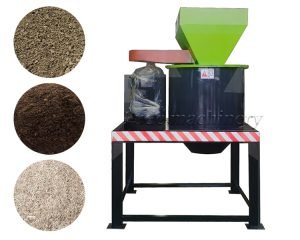
There are significant differences between vertical and horizontal crushers in multiple aspects. The following is a specific comparative analysis:
View details
Organic fertilizer granulation is the process of compressing organic fertilizer into a fixed shape through certain processing methods. The following is a detailed introduction about organic fertilizer granulation:
View details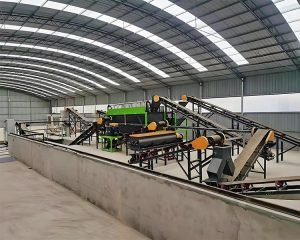
As a manufacturer of organic fertilizer equipment, we often get this question: "What machines do I need?" The answer is always, "It depends on your raw material." An organic fertilizer production line is not a one-size-fits-all solution. A line th...
View details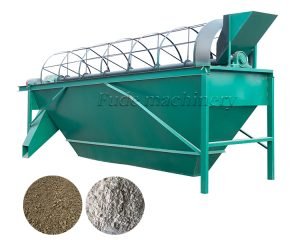
The application range of organic fertilizer drum screening machine is quite extensive, mainly including the following aspects: In summary, the application scope of organic fertilizer drum screening machine covers multiple fields such as organic fe...
View details