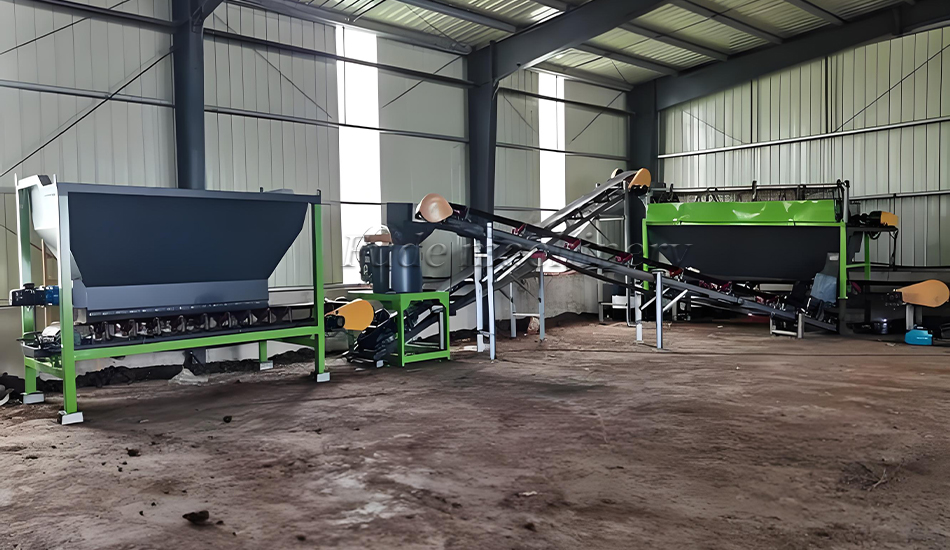
As an organic fertilizer equipment maker, screening is a vital yet overlooked process. Impurities and uneven particles ruin finished compost. A Rotary Compost Screen cleans and sizes compost for granulation and premium fertilizer production.
Why is Compost Screening Critical for High-Quality Fertilizer?
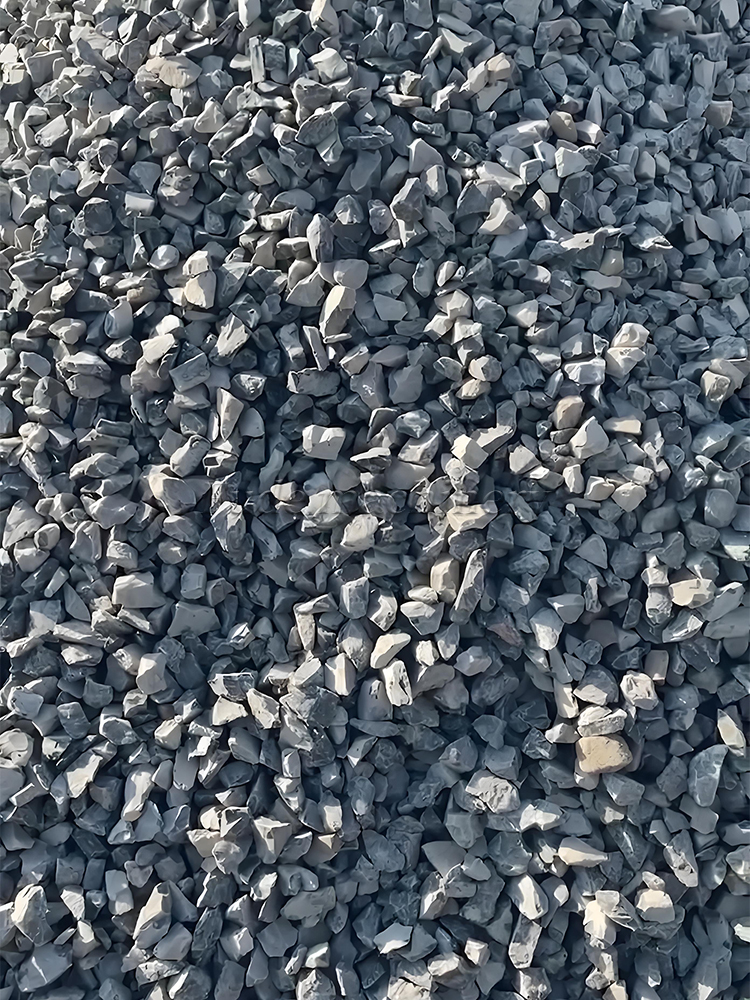
High-quality fertilizer relies on compost screening to boost purity, uniformity and value. Unfiltered compost holds stones, plastic and glass impurities that hurt crops and wear granulators, triggering costly downtime. A Rotary Compost Screen eliminates contaminants as a key quality control step.
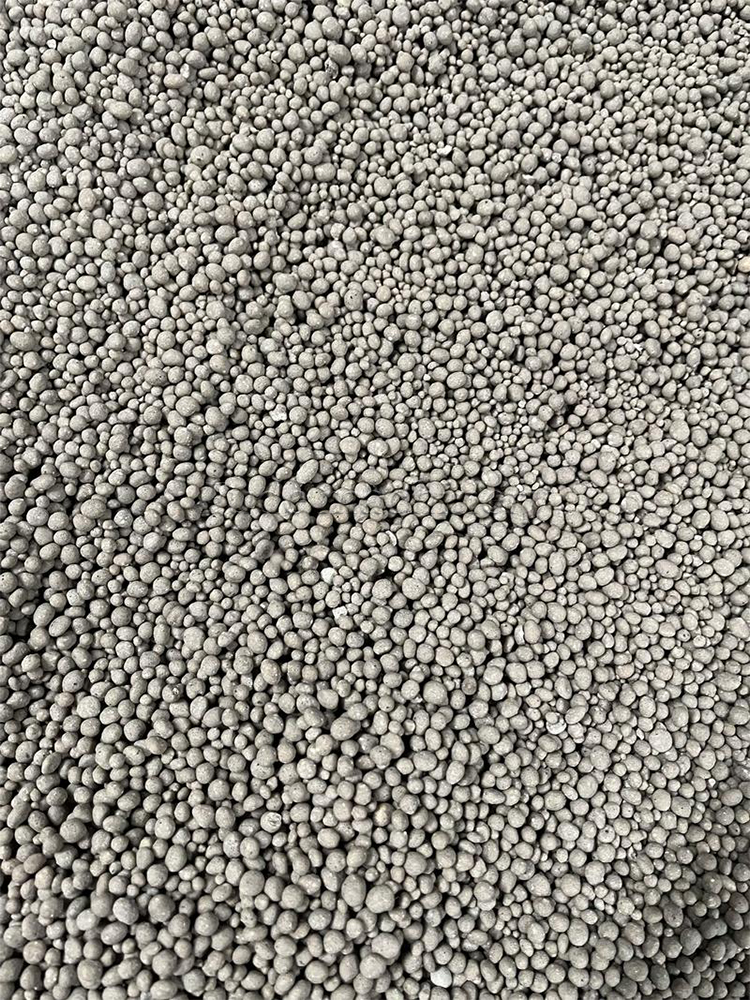
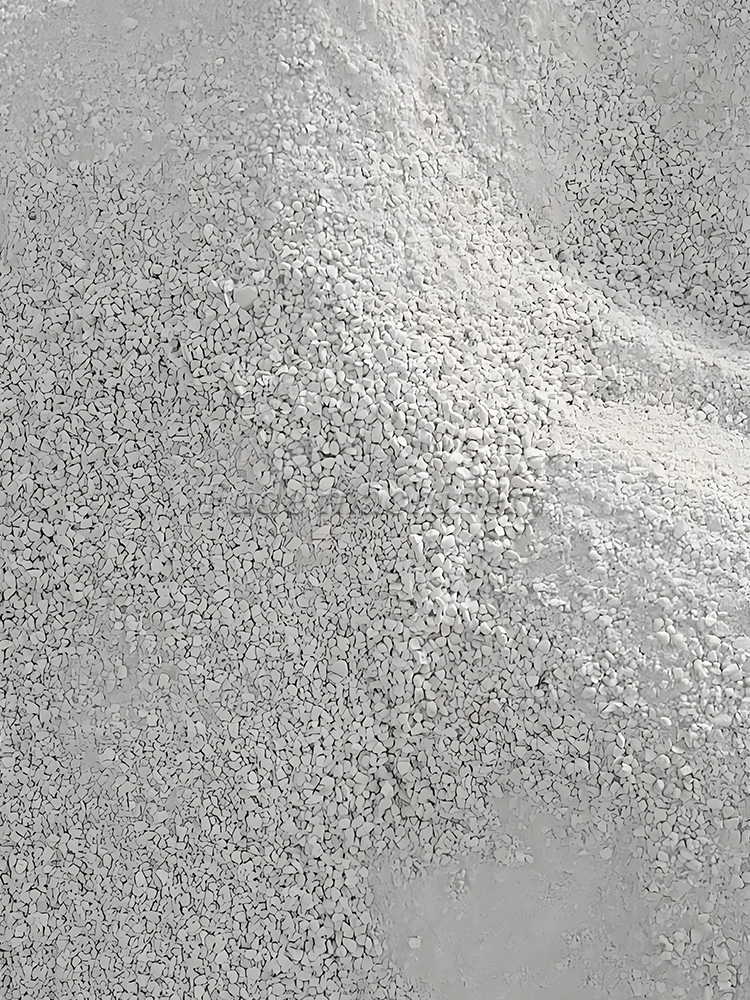
It also grades materials into even particles. Lumpy uneven compost spreads poorly and delivers unstable nutrients, while sized compost works smoothly in spreaders with steady nutrient release, raising market value.
What is a Rotary Compost Screen, and How Does It Work?
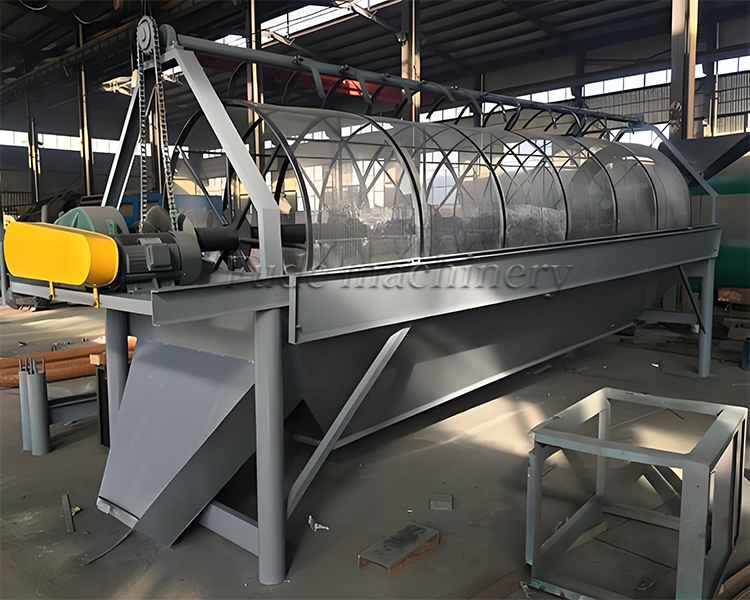
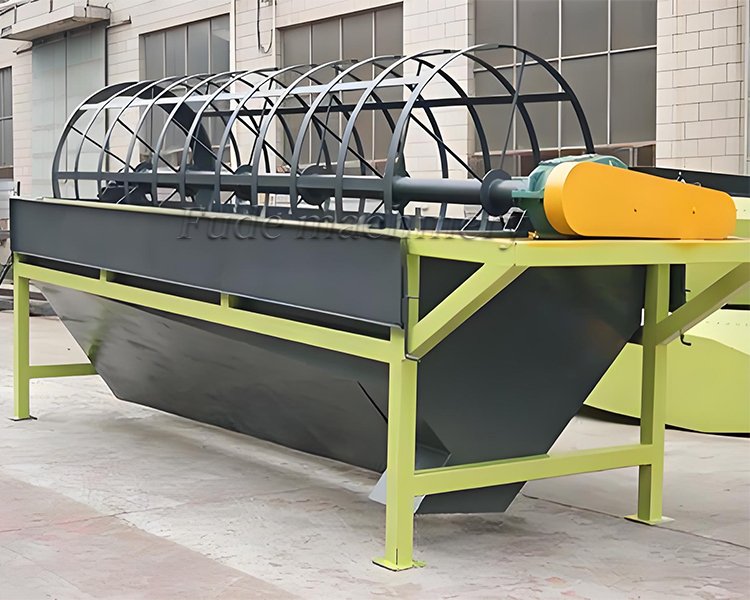
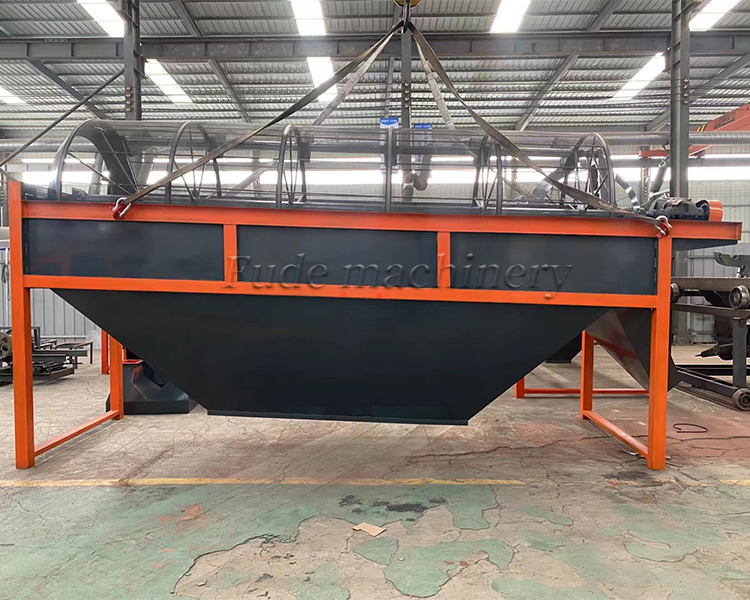
Rotary Compost Screen (trommel screen) sorts organic materials like compost, manure and sludge via a tilted perforated rotating drum.
Feed compost into the high drum end; tumbling lets fine qualified particles sift through mesh, while stones, plastic and oversized debris discharge from the lower outlet. Constant rotation loosens clumps without damaging compost or wearing the screen heavily. Its interchangeable mesh delivers adjustable particle sizes for powdered fertilizer or granulation feedstock.
Why Is a Rotary Compost Screen Better for Wet, Sticky Compost?
Rotary compost trommels outperform vibrating screens on wet, sticky compost with anti-clog rotating drum design, avoiding frequent cleaning downtime.
Constant tumbling fully exposes all materials to mesh to filter out rocks, wood, plastic and metal scraps, boosting fertilizer purity and safeguarding downstream crushers and granulators from damage.
Even sifting delivers uniform particle sizes, improving fertilizer flow, spreading performance and nutrient release. Consistent feedstock also optimizes granulator output for smooth, high-value fertilizer pellets.
Its tilt and rolling self-cleaning motion prevent moist material buildup; without harsh vibrations that compact wet waste, it reliably processes damp manure and sludge to sustain steady, low-labor production.
When Should You Integrate a Rotary Compost Screen?
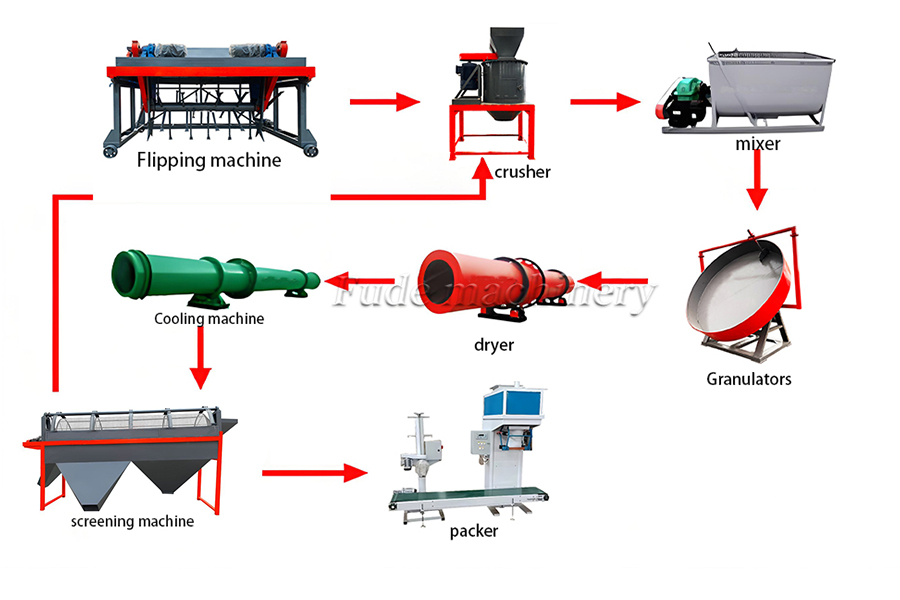
Install rotary compost screens at key positions in fertilizer lines—usually post-crushing and pre-granulation—to boost efficiency and product quality, delivering clean, evenly sized feed for downstream equipment.
Pre-granulation placement
Uniform feedstock is key to smooth granulation. Oversized lumps, excess dust and impurities create irregular weak pellets, hurt market value and damage granulators. The trommel screens out off-size materials, letting granulators run at full capacity to produce premium consistent pellets favored by farmers.
Post-crushing placement
Horizontal/vertical crushers break organic waste like manure and compost but leave uneven particles and hidden contaminants (plastic, glass, wood). The rotary screen sorts crushed material, removes residual foreign debris, and yields purified homogeneous material ready for mixing, granulation or direct packaging.
Choosing the Right Rotary Compost Screen for Your Needs?
When selecting a Rotary Compost Screen, assess your material type, target particle size and hourly output capacity—no universal model fits all production demands.
Moist, sticky or fibrous compost requires heavy-duty self-cleaning mesh to avoid clogging, while standard mesh works for dry lumpy materials. Interchangeable drum meshes deliver custom particle sizes for powdered fertilizer or granulation feedstock. Multiple standard and customized drum sizes cover low to high tonnage processing, eliminating production bottlenecks.
2026 Trends in Compost Screening Technology
The year 2026 shows several key trends in compost screening technology aimed at improving efficiency, versatility, and sustainability. As a manufacturer, I closely watch these developments. This ensures our organic fertilizer equipment remains at the forefront of the industry. These trends reflect a growing demand for higher quality, more adaptable, and environmentally friendly production methods.
Latest developments include:
Enhanced Self-Cleaning Systems: New screen designs and automated brushing or vibration mechanisms are becoming more common. These actively prevent mesh blinding. This reduces manual cleaning. This significantly improves uptime for wet or sticky materials. It means less downtime for your operations.
Modular Design for Flexibility: Manufacturers are moving towards modular Rotary Compost Screen designs. This allows for quick changes of screen sections. It also allows for easy adjustments to processing capacity. This flexibility helps producers adapt to different raw materials. It also helps with varying output demands without needing entirely new machines.
Smart Sensor Integration: More Rotary Compost Screens are now featuring integrated sensors. These sensors monitor material flow, moisture content, and screen wear. They provide real-time data. This allows for predictive maintenance. It also allows for optimized operating parameters. This boosts efficiency and prolongs equipment lifespan.
Market Insights: Growing Demand for Finer Fertilizer
Growing demand for fine, uniform organic fertilizer stems from precision farming needs—even particles spread evenly and boost crop nutrient absorption, making rotary compost screens indispensable.
High-standard consistent products bring better prices and loyal clients amid the booming sustainable agriculture market. Our screening equipment helps manufacturers stand out from competitors and seize more market share.
Frequently Asked Questions
Question 1: Why is screening important for organic fertilizer? Screening is important for organic fertilizer because it removes impurities like stones, plastics, and uncomposted materials. It also sorts the material into uniform particle sizes. This creates a higher quality product. It also prevents damage to downstream machines, like granulators.
Question 2: Can a Rotary Compost Screen handle wet compost? Yes, a Rotary Compost Screen is excellent at handling wet and sticky compost. Its tumbling action and self-cleaning mechanism reduce clogging. This makes it much more effective than vibrating screens for high-moisture materials. It ensures continuous operation.
Question 3: How do I change the particle size on a Rotary Compost Screen? You change the particle size on a Rotary Compost Screen by replacing the screen mesh. Different mesh sizes allow different particle sizes to pass through. This is a straightforward process. We design our machines for easy access to the screen drum. This helps you get different product specifications.
Question 4: What are the common impurities removed by a Rotary Compost Screen? A Rotary Compost Screen commonly removes a wide range of impurities. These include stones, plastic pieces, glass fragments, metal scraps, and large, uncomposted organic chunks. It ensures a clean and pure final organic fertilizer product. This improves both its quality and safety.
Summary and Recommendations
TheRotary Compost Screen is more than just a piece of organic fertilizer equipment. It is a critical investment in the quality and efficiency of your entire production line. It effectively solves the problems of impurities and inconsistent particle size. It does this even with challenging wet and sticky materials. By integrating a Rotary Compost Screen, you ensure your organic fertilizer is clean, uniform, and ready for market. This improves product appeal. It also protects your other valuable machinery. This is essential for any serious organic fertilizer producer.
I recommend carefully assessing your raw material characteristics and desired final product specifications. This will help you choose the ideal Rotary Compost Screen. Consider your capacity needs. Also consider the level of impurities you expect. Our team at Fude Machinery is ready to help you make an informed decision. We will customize a solution that perfectly fits your operation.
Do you want to improve the quality and consistency of your organic fertilizer? Contact our expert team today for a free consultation and a quote on a Rotary Compost Screen tailored to your exact needs.
In the ever-growing organic farming industry, efficient fertilizer production is crucial. A key player in this process is the Disc Granulator, an essential machine for converting powdered organic fertilizers into high-quality spherical granules. C...
Organic fertilizers can be made using machinery, which mainly includes steps such as raw material pretreatment, fermentation, granulation, drying, cooling, screening, coating, and packaging. Here is a detailed explanation of these steps: It should...
You run a large poultry farm. Every day, you face a huge problem: mountains of chicken manure. It smells bad, pollutes the environment, and costs you money to manage. But what if you could turn that problem into a new source of income? At Fude Mac...
A double roller extrusion granulator can process many materials. It works well for organic fertilizers, compound fertilizers, and chemical powders. It gives you dense, uniform granules for diverse needs. Is choosing a granulator a headache? Do you...
 Organic fertilizer equipment,organic fertilizer production line,organic fertilizer equipment factory