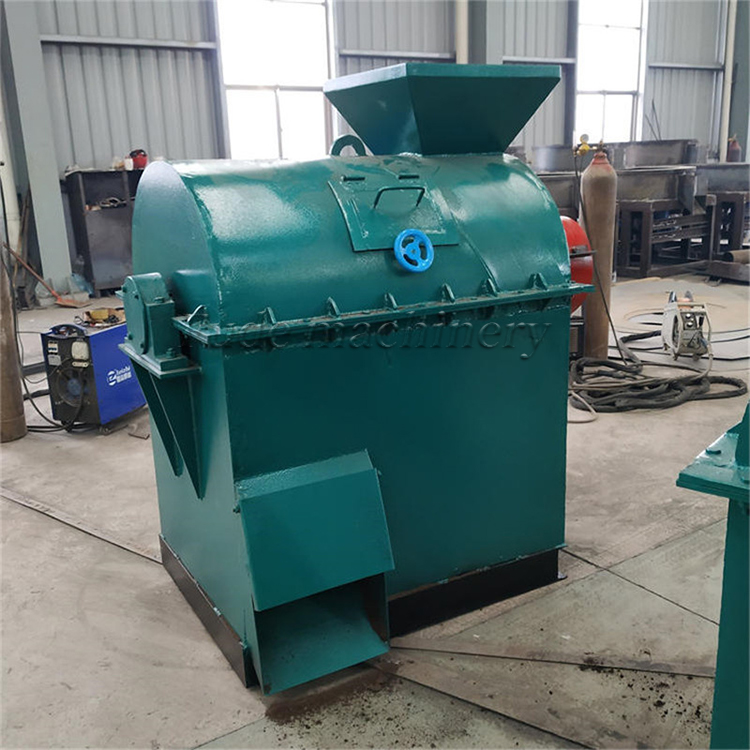
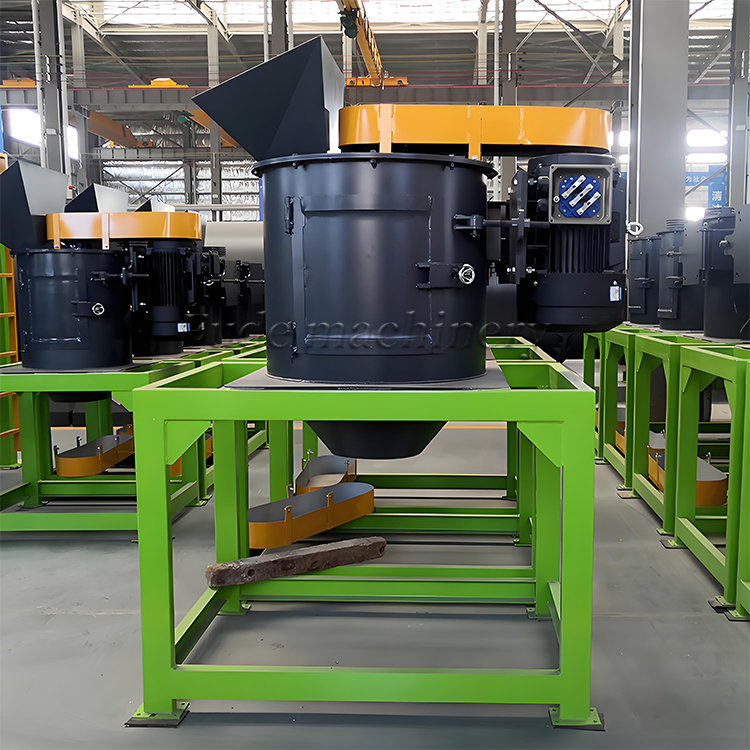
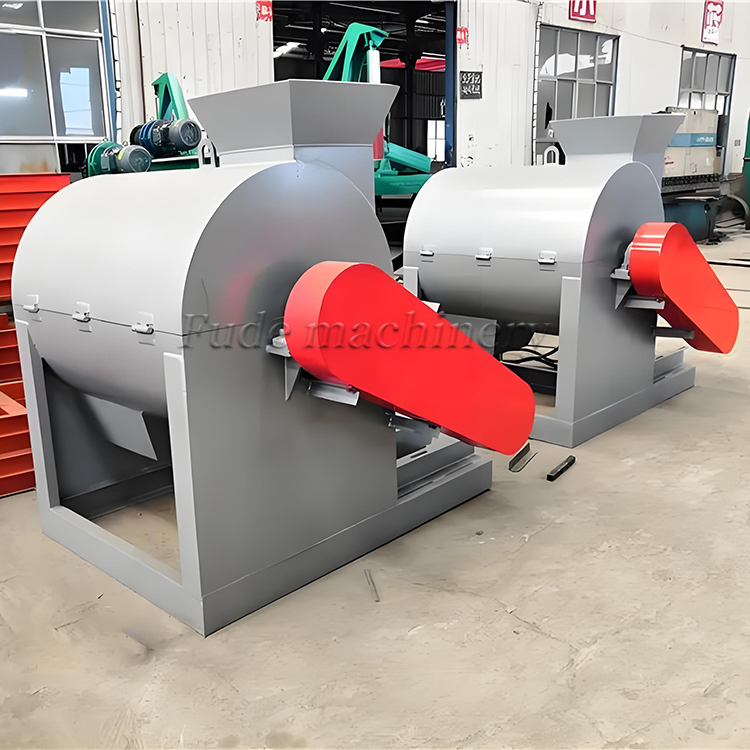
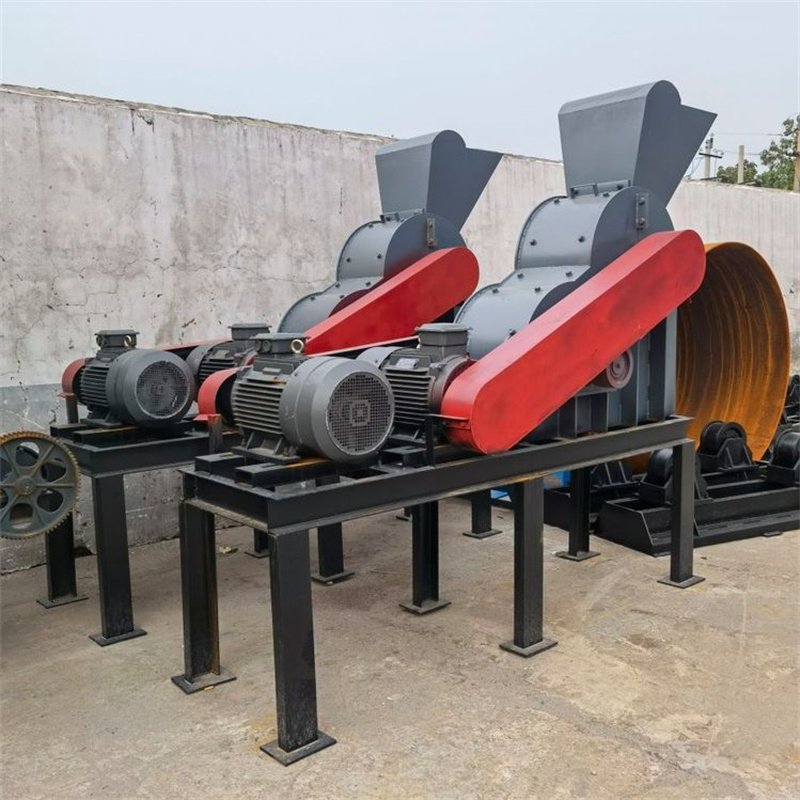
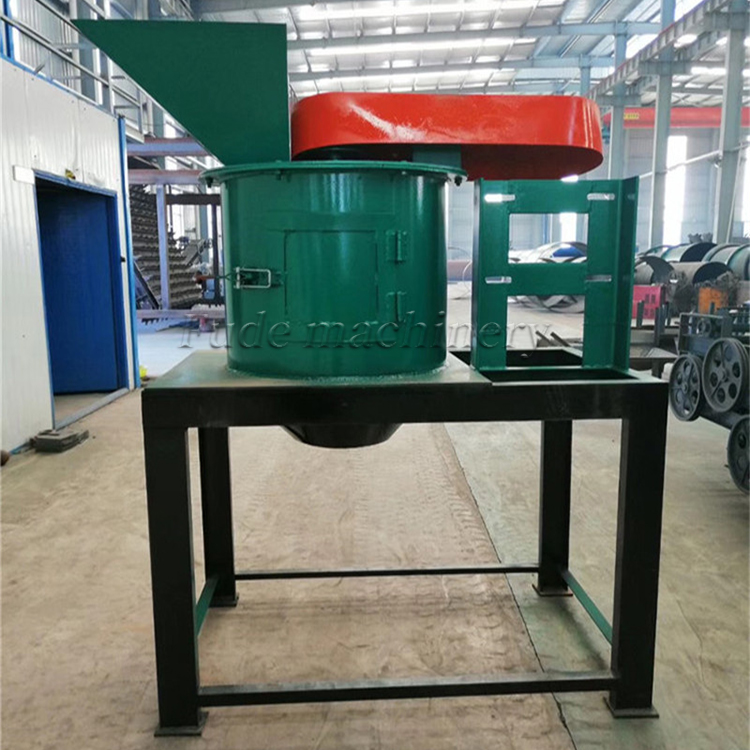
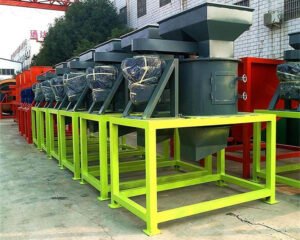
If you work in the organic fertilizer industry, you know the biggest challenge is your raw material. It is often wet, sticky, and lumpy. A Semi-Wet Material Crusher is the specialized machine engineered to solve this exact problem. We are Fude Machinery, a direct manufacturer of this equipment. We designed this crusher because we saw our customers struggling with standard machines that constantly clogged. This guide will explain what this machine is, how it works, and why it is the essential first step for any successful organic fertilizer production line.
The #1 Problem in Organic Fertilizer Production: Clogging
The most common and frustrating problem in organic fertilizer production is equipment clogging caused by wet, sticky raw materials. Standard crushers, like hammer mills or cage crushers, were designed for dry, brittle rocks and minerals. They almost always have a metal screen at the bottom to control the size of the output powder. This design is a complete failure when it comes to materials like fresh compost, animal manure, or municipal sludge.
This wet, sticky material acts like glue. It plasters itself onto the screen within minutes, creating a solid blockage. Production grinds to a halt. You then have to stop everything and waste valuable time and labor cleaning out the machine. This cycle of crushing for a few minutes and then cleaning for an hour is a massive drain on your resources. It kills your efficiency and your profits. This clogging issue is the primary reason a specialized Semi-Wet Material Crusher is not just an option, but a necessity.
How Does the Semi-Wet Material Crusher Solve This Problem?
The secret to the Semi-Wet Material Crusher is its innovative screenless design. Our engineers removed the part that causes all the problems: the bottom screen. Without a screen, there is simply nowhere for the wet, sticky material to build up and cause a blockage. This simple but powerful change allows for continuous, non-stop operation.
Here is a step-by-step look at how it works inside the machine:
Material Entry: Lumpy, wet material is fed into the top of the crusher.
Upper Rotor Impact: The material is first struck by a set of high-speed rotating hammers on the upper rotor. This breaks down the largest clumps.
Lower Rotor Pulverization: The material then falls into the path of a second, lower rotor spinning in the opposite direction. This rotor has smaller hammers that pulverize the material in mid-air into a fine powder.
Gravity Discharge: The resulting fine powder falls straight through the open bottom of the machine and onto your conveyor belt.
This dual-rotor, in-air crushing process is extremely effective. It ensures a fine, uniform output without ever needing a screen. This is the engineering solution that makes the Semi-Wet Material Crusher the most reliable machine for high-moisture organics.
Which Materials Is This Crusher Perfect For?
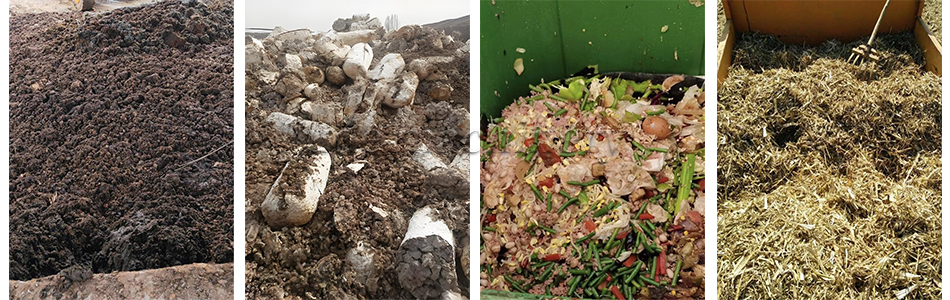
The Semi-Wet Material Crusher is specifically designed for a wide range of high-moisture organic raw materials. This machine excels where others fail. If your material is sticky, has a moisture content between 20% and 50%, and is difficult to handle, this crusher is the right tool for the job.
We build this Semi-Wet Material Crusher for clients who process:
All Types of Animal Manure: Chicken, cattle, pig, and sheep manure are perfect examples. They are often wet and lumpy directly from the farm.
Composted Materials: Even after going through a compost turner, compost can still be damp and clumped together.
Municipal Sludge: This is a very common and challenging material due to its high moisture and sticky texture.
Biogas Residue: The digestate from biogas plants is a nutrient-rich but wet material that needs crushing.
Food and Agricultural Waste: Materials like fruit pulp, vegetable waste, and filter mud from sugar mills are easily handled.
Essentially, if you are creating organic or bio-organic fertilizer, this machine is the foundation of your raw material preparation system.
Semi-Wet Crusher vs. Standard Hammer Mill Crusher
Choosing between a Semi-Wet Material Crusher and a standard Hammer Mill comes down to one thing: moisture. Understanding the fundamental design difference between these two machines will save you from making a very costly investment mistake. A Hammer Mill is an excellent machine for the right application, but it is the wrong tool for wet organics.
Feature Comparison
Semi-Wet Material Crusher (Our Solution)
Standard Hammer Mill Crusher
What This Means For Your Business
Core Design
Screenless, Dual-Rotor
Screen-Based, Single-Rotor
No Clogging. Our crusher ensures continuous production, maximizing your daily output and profitability.
Ideal Moisture
High (20-50%)
Low (<15%)
Handles Real-World Materials. You can process raw compost and manure directly without needing to pre-dry it, saving you time and energy costs.
Material Type
Sticky, Lumpy Organics
Dry, Brittle Materials
Versatility for Organics. Our machine is built specifically for the challenging materials you actually use in organic fertilizer production.
Typical Use
Start of an Organic Fertilizer Line
Start of a Chemical Fertilizer Line
The Right Foundation. Our crusher is the correct first step to feed your organic fertilizer granulator with perfectly prepared material.
How Can We Customize This Machine For Your Plant?
、As a factory-direct manufacturer, we can build a Semi-Wet Material Crusher that is a perfect fit for your specific operational needs. We are not just a reseller. We are a team of 15 engineers with an 8,000 square meter workshop. This gives us the unique ability to modify our standard models to create a custom solution for you. This factory-direct advantage provides better performance and a more competitive price.
Here are some of the ways we can customize your Semi-Wet Material Crusher:
Capacity Sizing: We can build machines that produce anywhere from 1 ton per hour to over 20 tons per hour. We will match the motor power and chamber size to your exact production targets.
Durable Materials: Our hammers are made from high-manganese alloy steel for excellent wear resistance. If you have a particularly abrasive material, we can discuss even more specialized alloys.
Custom Inlets and Outlets: We will design the input hopper to match your loader or feeding conveyor and the discharge chute to seamlessly integrate with the next machine in your production line.
This level of customization is a key part of our one-stop solution service. We ensure that every machine we build is the right machine for our customer.
Frequently Asked Questions
Question 1: What is the main advantage of a Semi-Wet Material Crusher? The main advantage is its screenless design. This makes it virtually impossible to clog, even with very wet and sticky materials like fresh manure or sludge. This ensures continuous operation and eliminates the costly downtime common with standard crushers.
Question 2: What materials can this crusher handle? It is specifically designed for high-moisture organic materials. This includes all types of animal manure, compost, municipal sludge, biogas residue, and food waste. It works best with materials that have a moisture content between 20% and 50%.
Question 3: How does it compare to a standard hammer mill crusher? A standard hammer mill uses a screen at the bottom, which will instantly clog with wet materials. The Semi-Wet Material Crusher is the only reliable choice for high-moisture organics. A hammer mill is only suitable for very dry, brittle materials.
Question 4: What kind of maintenance is required? Maintenance is straightforward. The main wear parts are the internal hammers. We make ours from high-manganese alloy steel for a long service life. Regular checks and eventual replacement of these hammers are the primary maintenance tasks, which is a simple process.
Summary and Recommendations
The Semi-Wet Material Crusher is more than just a piece of equipment; it is the solution to the most common problem in organic fertilizer production. Its clever screenless, dual-rotor design allows you to process wet, sticky, and lumpy raw materials without the constant frustration of clogging. This ensures a continuous, efficient, and profitable operation.
Investing in the correct crushing technology is the foundation of a high-quality final product. If you are processing any type of high-moisture organic material, this is the machine you need. At Fude Machinery, we are ready to use our manufacturing expertise to provide you with a durable, reliable, and customized crusher that will be the workhorse of your plant for years to come.
Contact our team today for a free consultation. We will help you select and customize the perfect Semi-Wet Material Crusher to meet the specific needs of your raw materials and production goals.
Organic fertilizer drum screening machine is a widely used equipment in organic fertilizer production. Its main function is to separate the finished product from the return material, as well as classify the finished product, so that the finished ...
As a fertilizer producer, you know that the quality of your raw materials is never consistent. Whether you are dealing with composted manure, crop residues, or mineral powders, you will always face clumps, cakes, and oversized particles. This is ...
Multi-functional feed pellet machine is mainly a animal feed processing machine with corn, rice husk, grass, soybean meal, straw and other crushed materials directly pressed into pellets. It is widely used in small, medium and large aqu...
Granulating organic fertilizer turns loose materials into uniform pellets. This process makes organic fertilizer easier to handle, transport, and apply. It also improves fertilizer effectiveness. Fude Machinery helps you achieve this with high-qua...
 Organic fertilizer equipment,organic fertilizer production line,organic fertilizer equipment factory