 Organic fertilizer equipment,organic fertilizer production line,organic fertilizer equipment factory
Why use an organic fertilizer grinder
407The main reasons for using an organic fertilizer grinder are as follows: ,
View detailsSearch the whole station
Choosing the right fertilizer production equipment is the most important decision you will make for your business. It is not about buying individual machines. It is about building a complete, efficient system that turns your raw materials into a valuable product. At Fude Machinery, we have helped over 500 clients in 120 countries set up successful fertilizer plants since 2015. We know that the best equipment is the equipment that is perfectly matched to your materials, your production goals, and your budget.
A full production line is a series of machines that work together in sequence, while single machines perform just one specific task. Many new producers think they can just buy a granulator. But successful fertilizer production requires a complete system. Think of it like a kitchen assembly line. You cannot make a cake by only using an oven. You also need a mixer, bowls, and measuring cups. In the same way, you need a full set of fertilizer production equipment to create a high-quality final product.
As a one-stop solution provider, we design and manufacture every machine in the process. This is a major advantage for you. It means all the equipment is designed to work together perfectly. The conveyor belts are the right length and speed. The output of the crusher matches the input of the granulator. This integration prevents bottlenecks, improves efficiency, and makes the entire plant easier to operate. Buying from a single, experienced manufacturer like us ensures a smooth, trouble-free operation from day one.
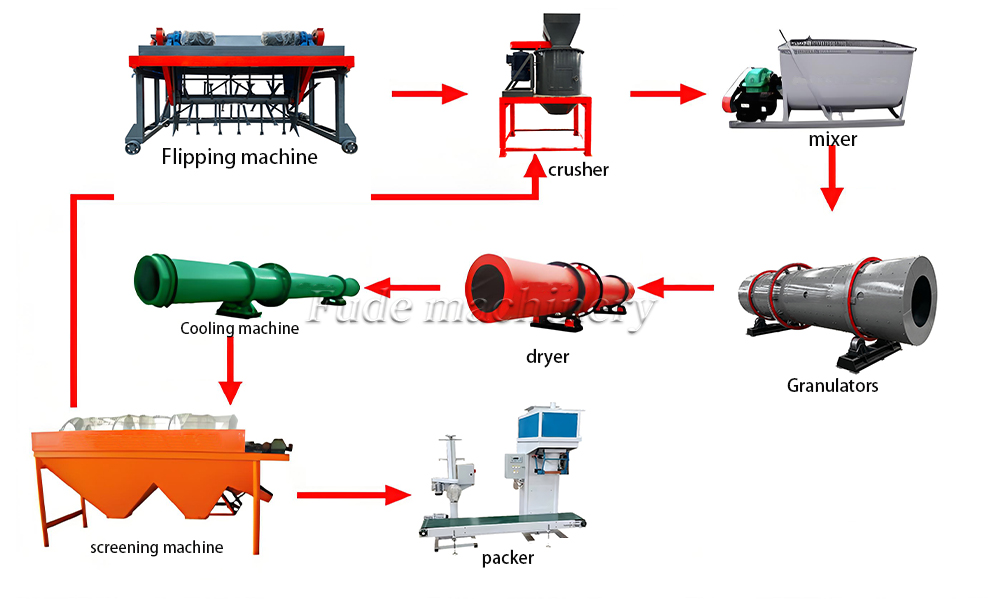
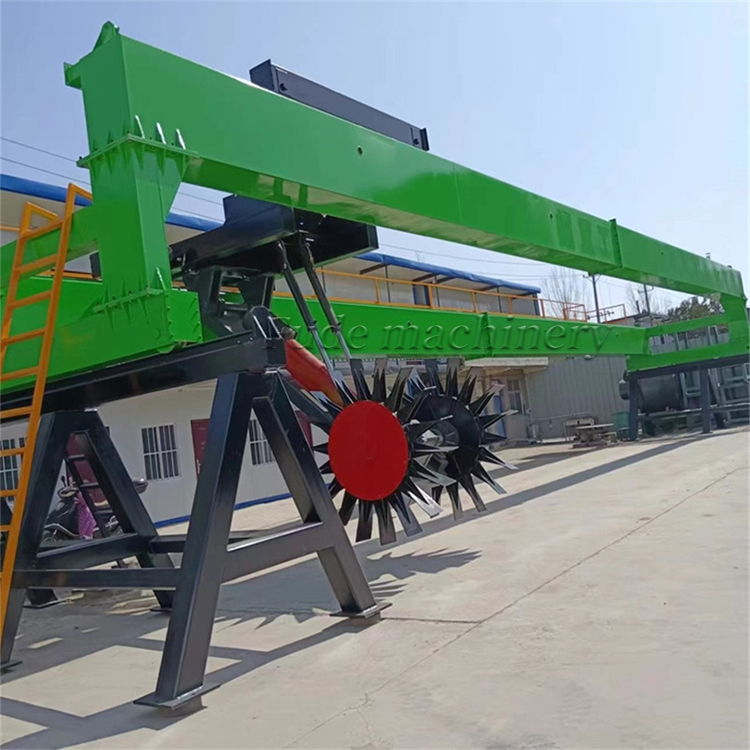
The fermentation or composting stage is the first and most critical step. This is where you use a compost turner to transform raw organic waste into stable, nutrient-rich compost. If you skip or rush this stage, the rest of your fertilizer production equipment will be working with poor-quality material. The goal of fermentation is to let beneficial microbes break down the raw materials, eliminate harmful pathogens, and reduce odors. This process can take several weeks.
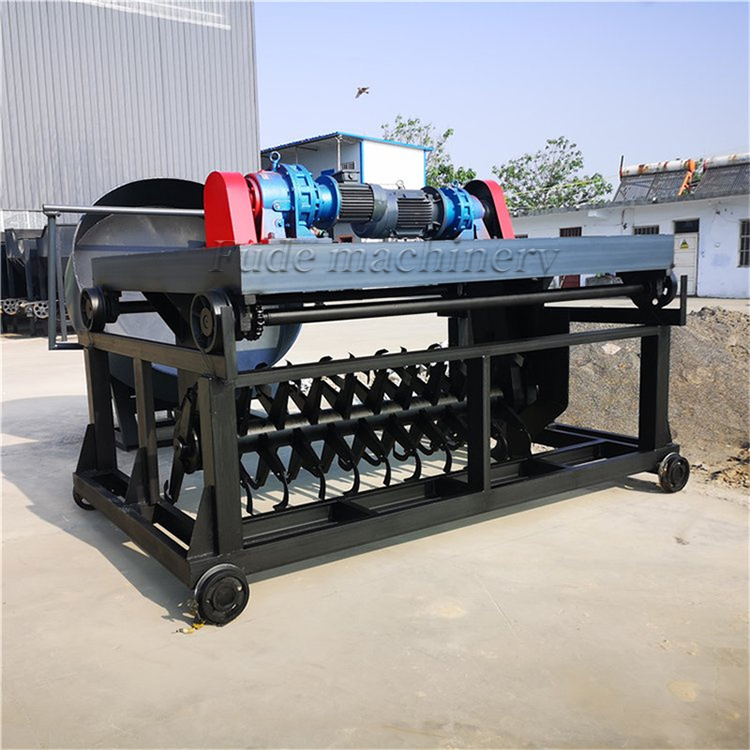
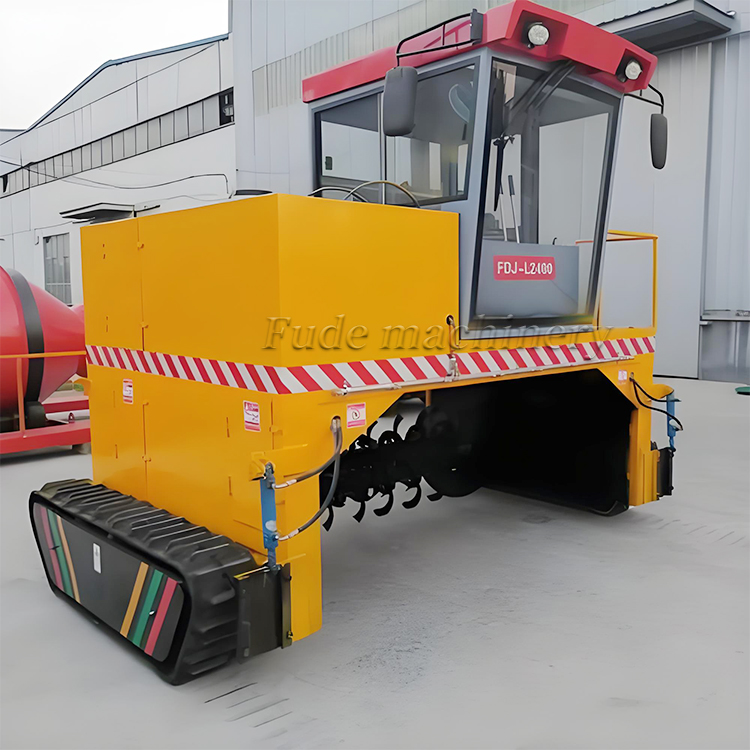
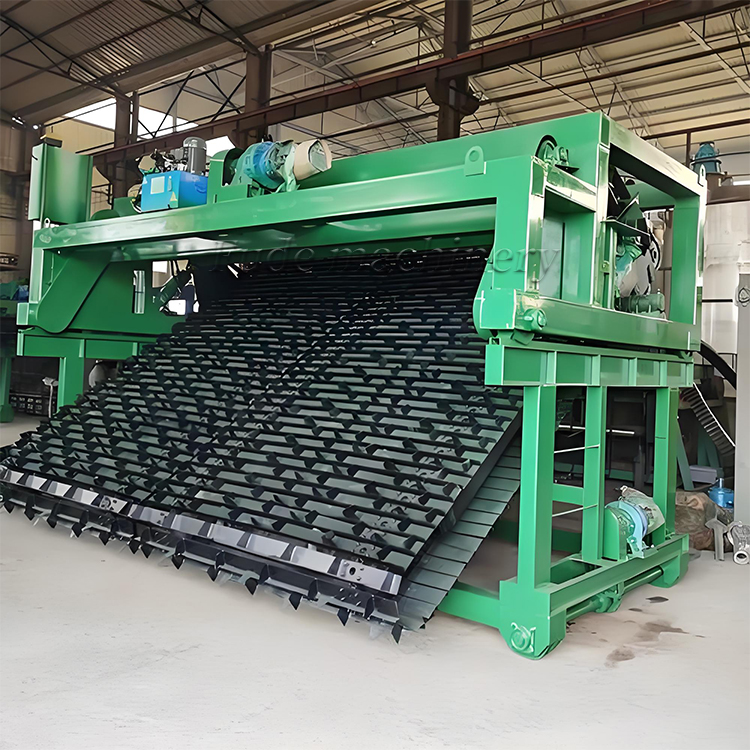
A compost turner is the key machine here. It turns, mixes, and aerates the piles of organic material. This provides the oxygen that the good microbes need to thrive. We manufacture several types to fit your space and budget.
Choosing the right turner depends on the scale of your operation and how you want to manage your composting area.
| Turner Type | Best For | How It Works | Your Advantage |
|---|---|---|---|
| Groove Type Turner | Large-scale plants with dedicated space | It runs on parallel walls (grooves) and turns long piles | Very high processing capacity and efficiency |
| Crawler Type Turner | Flexible operations without permanent structures | It moves on its own tracks and can turn multiple piles | No need to build walls; can be used in different locations |
| Chain Plate Turner | Large-scale, automated facilities | It has a wide turning width and is highly automated | Maximum throughput for industrial-level production |
After composting, your material is often lumpy and contains clumps. The crushing system uses a fertilizer crusher to break these down into a fine, uniform powder. This step is essential for the next stages of mixing and granulation. If you try to granulate lumpy material, you will get uneven, poor-quality granules. The crusher ensures that all your material has a consistent texture, which leads to a consistent final product.
The type of crusher you need depends on the moisture content of your compost. This is a very important detail. Using the wrong crusher for wet material can cause constant clogging and major production delays. We help you choose the right fertilizer production equipment for your specific conditions. For example, our semi-wet material crusher is one of our most popular models because it is specifically designed to handle the sticky, damp material that comes directly from composting without clogging.

The granulation system is the heart of your plant. It takes the fine powder and forms it into the uniform, round granules that customers want. This is where your product gets its final shape and density. Good granulation makes your fertilizer easy to store, transport, and apply. We offer several types of granulating machines because different raw materials and desired final products require different methods.
Choosing the right granulator is a critical decision. It affects not only your product’s appearance but also its durability and how it performs in the field. Our engineers will ask about your raw materials and your target market to recommend the perfect machine.
| Granulator Type | Best For | Granulation Method | Why You Might Choose It |
|---|---|---|---|
| Disc Granulator | Organic fertilizer, compound fertilizer | A tilted, rotating pan where powder tumbles into balls | Very uniform granules, high granulation rate (over 93%) |
| New Type Organic Fertilizer Granulator | High-organic content materials like manure | High-speed stirring and aerodynamic force | Creates very strong, hard granules from pure organic materials |
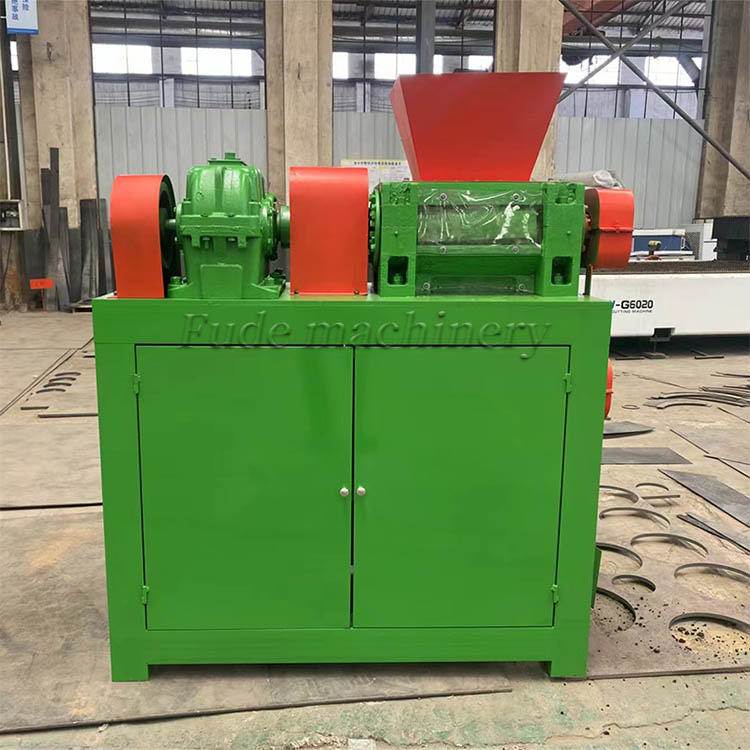
| Double Roller Granulator | Chemical fertilizers, dry powders | Compresses powder between two rollers | Does not require heat or drying, saving energy costs |

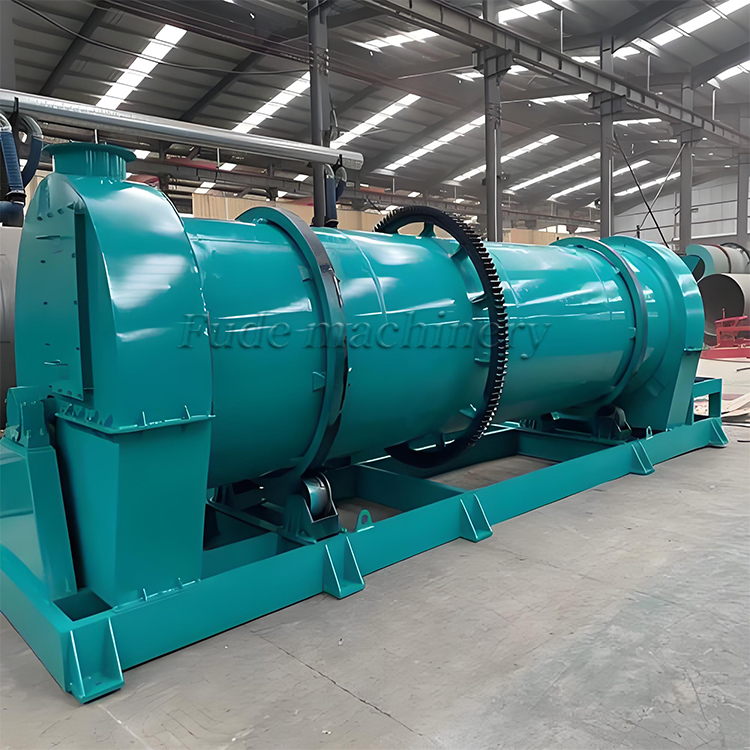
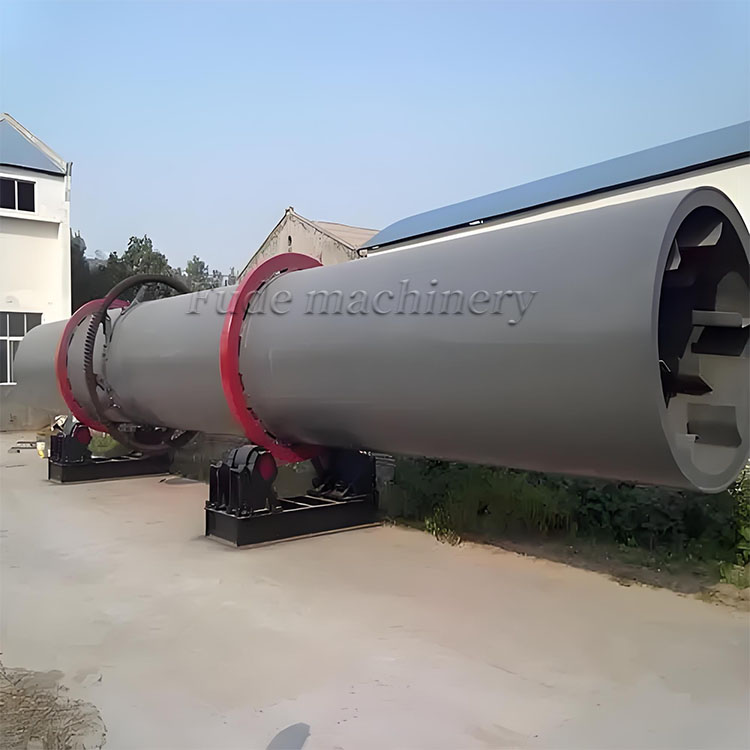
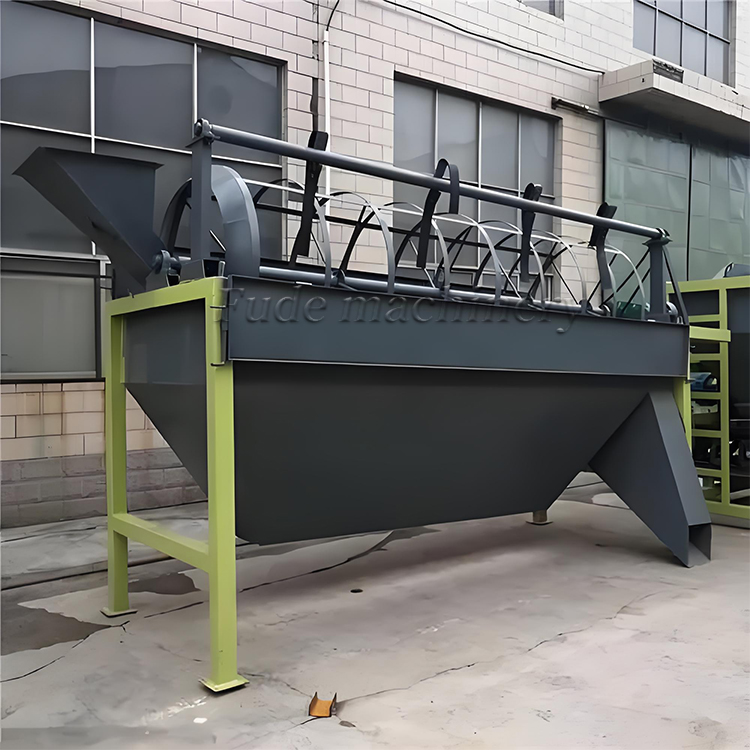
After granulation, the fertilizer is still warm and contains too much moisture. This final set of fertilizer production equipment perfects your product for bagging and sale. First, a rotary dryer machine uses hot air to reduce the moisture content to a stable level (usually below 20%). This prevents caking and spoilage. Next, a cooling machine brings the temperature down to prevent nutrient loss.
Finally, a screening machine separates the granules by size. It works like a big sieve. The perfectly sized granules go to the packaging machine. Any granules that are too big or too small are sent back to the crusher and granulator to be re-processed. This ensures that every bag you sell contains a perfectly uniform, high-quality product. This attention to detail is what separates professional producers from amateurs.
Before you invest in fertilizer production equipment, you need to have a clear plan. Your answers to these questions will determine the type, size, and cost of your production line. As a manufacturer, our goal is to sell you the right equipment, not just the most expensive equipment. We provide free consultation and plant design services to help you make these critical decisions.
As we look towards 2025, the biggest trend in fertilizer production equipment is the move towards “smart” and more environmentally friendly plants. We are actively integrating these technologies into our new designs. This includes adding advanced sensors and PLC control systems to our production lines. These systems can monitor the process in real-time and automatically adjust machine settings for optimal performance and energy efficiency.
Another key trend is a focus on versatility. More producers want the flexibility to handle different types of raw materials. We are designing more adaptable machines, such as our new generation of granulators that can be adjusted to work with a wider range of organic and inorganic inputs. This allows our clients to be more responsive to changes in the market and raw material availability.
Question 1: What is the most important piece of fertilizer production equipment?
There is no single ‘most important’ piece, as the entire line works as a system. However, the granulator is often considered the heart of the plant because it determines the final shape and quality of your product. The compost turner is also critical for the initial fermentation stage.
Question 2: How much does it cost to set up a small fertilizer production line?
The cost varies greatly based on capacity and the specific machines you choose. A very small, simple powder line might start at a lower price point, while a complete 5-ton-per-hour granulation line will be a more significant investment. As a factory, we can provide a detailed quote based on your exact needs.
Question 3: Can I buy just one machine instead of a full line?
Yes, absolutely. We sell all our fertilizer production equipment individually. Many of our clients start with one or two key machines, like a compost turner or a crusher, and then expand their production line over time as their business grows. We are here to support you at every stage.
Question 4: How long does it take to get the equipment delivered?
Production time for standard fertilizer production equipment is typically 20-30 days. For a complete, customized production line, it may take around 45-60 days. Shipping time will then depend on your location. We will provide you with a clear timeline when you order.
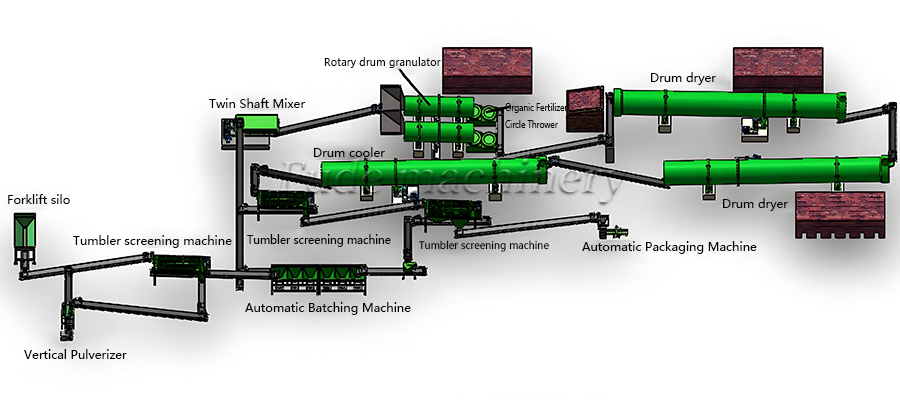
Choosing the right fertilizer production equipment is a systematic process. You must consider every stage, from fermentation to packaging. The best approach is to partner with a manufacturer that can provide a complete, integrated, one-stop solution. This ensures all your machines work together efficiently and saves you the headache of dealing with multiple suppliers.
We strongly recommend that you start with a clear plan based on your raw materials and production goals. Then, consult with our experienced engineers. We will use our knowledge to design a custom production line that meets your needs and budget. An investment in high-quality, well-designed equipment is an investment in the long-term success and profitability of your business.
We are Fude Machinery, a specialized manufacturer of organic fertilizer equipment based in Zhengzhou, China. We offer a comprehensive product line that covers every stage of fertilizer production. Our factory-direct sales model allows us to provide high-quality, customized equipment at competitive prices. With a team of 15 engineers and a track record of exporting to over 120 countries, we are your reliable partner for building a successful fertilizer plant.
Contact us today for a free project consultation and a detailed equipment quote. Let us help you turn your organic waste into a profitable business.
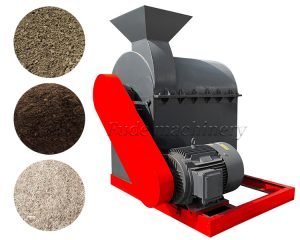
The main reasons for using an organic fertilizer grinder are as follows: ,
View details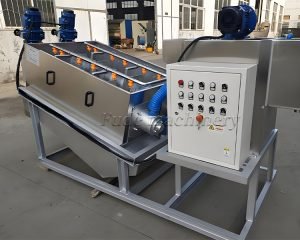
Stacked screw solid-liquid separator (referred to as stacked screw machine) is a solid-liquid separation equipment widely used in various industries. The following are some of the main types of solid waste that can be processed by a stacked screw...
View details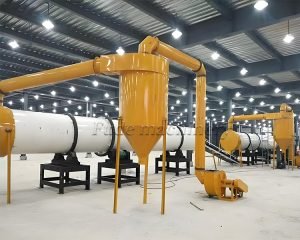
The work efficiency of organic fertilizer production lines is a comprehensive indicator that is influenced by various factors, including equipment performance, raw material quality, process flow, operational level, and production environment. The...
View details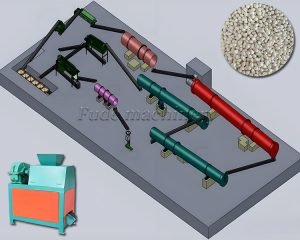
Various industries can benefit from using a 3T/H roll extrusion granulation line to produce NPK fertilizer pellets. The agriculture sector, for instance, often uses raw materials such as ammonium nitrate, ammonium sulfate, urea, and p...
View details