Choosing the right fertilizer crusher machine is one of the most important decisions you will make for your production line. We are Fude Machinery, and we manufacture this equipment in our own factory. We know that if you get this first step wrong, your entire process will suffer. The crusher is the gatekeeper. It takes your inconsistent raw materials—lumpy, caked, or oversized—and turns them into a uniform powder. This preparation is the foundation for creating a high-quality final product efficiently.
Why Do You Absolutely Need a Fertilizer Crusher Machine?
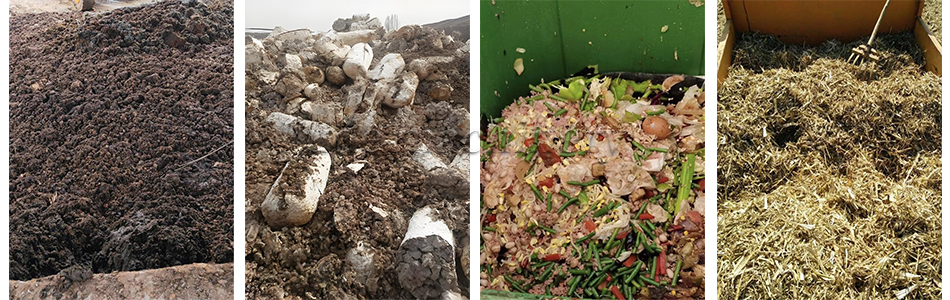
You need a fertilizer crusher machine because raw materials are never perfect. Whether you are using composted animal manure, agricultural waste, or chemical powders, they will always have lumps and inconsistencies. Feeding this lumpy material directly into your mixer or granulator is a recipe for disaster. We have seen it many times. The larger clumps will not mix evenly with other ingredients. Your fertilizer granulator machine will struggle, producing uneven pellets of poor quality. This looks unprofessional and can cause problems for farmers.
Worse, these large chunks can cause serious blockages in your equipment. This leads to frequent production stops, puts extra strain on motors, and results in costly downtime and repairs. A reliable fertilizer crusher machine solves all these problems from the very beginning. It ensures that only a fine, consistent powder moves forward. This simple step makes every other stage of your production line run more smoothly, protecting your larger investment and guaranteeing a better final product.
What Is the Most Common Mistake When Choosing a Crusher?
The single biggest mistake we see customers make is ignoring the moisture content of their material. Many people believe a crusher is a crusher. This is not true. A machine that works perfectly for dry, brittle chemical powders will become a useless, clogged mess in minutes if you feed it wet, sticky organic compost. The moisture content of your raw material is the most critical factor that determines which fertilizer crusher machine you need.
As a manufacturer with 15 engineers on our team, we have designed specific machines for specific moisture levels. When you talk to us, one of the first questions we will ask is, “What is your material and how wet is it?” The answer tells us everything we need to know to recommend the right technology. Choosing a crusher designed for dry materials when you have wet compost is the fastest way to create a production nightmare for your business.
Which Fertilizer Crusher Machine Is for Wet & Sticky Materials?
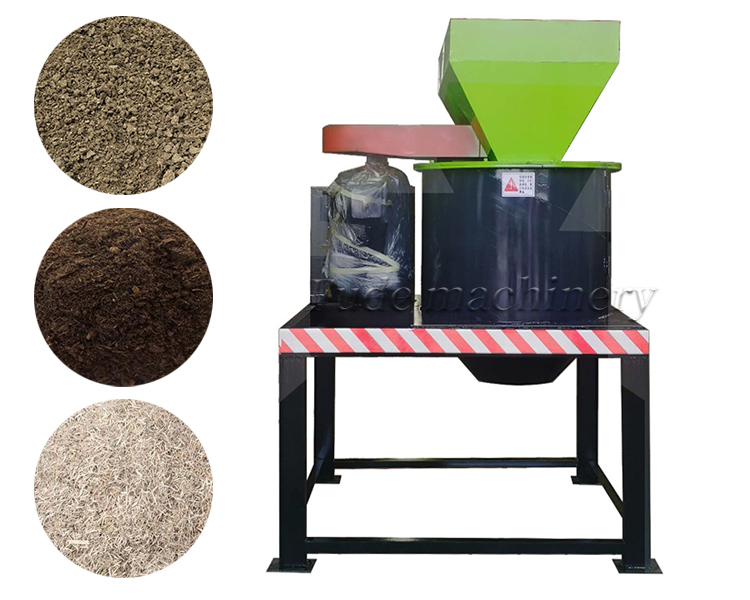
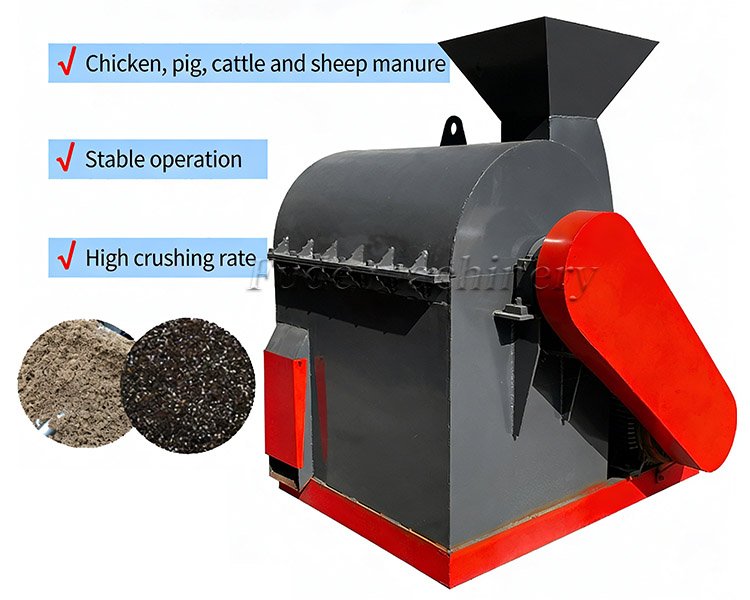
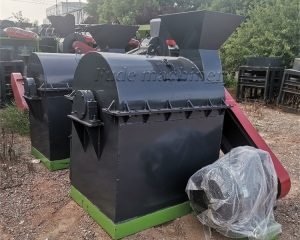
For wet, sticky materials like fresh compost, animal manure, or sludge, our Semi-Wet Material Crusher is the only reliable choice. This machine is a game-changer for organic fertilizer producers. Standard crushers use a metal screen at the bottom to control the size of the output powder. This screen is the part that clogs instantly when faced with moist, sticky material. Our semi-wet fertilizer crusher machine is engineered with a screenless design to completely avoid this problem.
Inside the machine, it uses two sets of high-speed rotating chains or hammers that spin in opposite directions. The material is pulverized in mid-air through thousands of impacts. The fine powder then falls straight through the open bottom. This unique, screenless principle is the key to its non-clogging performance. It is specifically built to handle materials with a moisture content between 20% and 50%, making it the perfect starting point for almost any organic fertilizer production line.
Which Machine Is Best for Dry & Brittle Materials?
For dry, brittle materials like chemical powders, minerals, or fully dried organic matter, a Vertical Crusher or a Hammer Crusher is the most efficient solution. These types of fertilizer crusher machine operate on the principle of high-speed impact. The material enters the top and falls into a chamber where rapidly swinging chains or hammers smash it against a hardened inner wall. It continues to be struck repeatedly until it is a fine powder.
These machines are very effective and energy-efficient for dry materials. They use a screen at the bottom to ensure that only particles of the desired fineness can exit. This gives you excellent control over the final powder size. This is why they are the standard choice in compound NPK fertilizer plants that use dry chemical powders as their main ingredients. They are also used to re-crush any oversized granules that are separated out after the drying and cooling process.
Match the Machine to the Material. This is the most important rule for avoiding production problems.
Working Principle
Screenless, dual-rotor impact in mid-air
High-speed impact against a wall, with a screen
No Clogging vs. Precise Sizing. The semi-wet model prioritizes flow; the vertical model prioritizes size control.
Moisture Tolerance
High (20-50%)
Low (under 15%)
Avoid Misapplication. Using a vertical crusher on wet material will cause immediate and constant blockages.
Primary Application
Pre-crushing raw materials for organic fertilizer
Crushing raw materials for NPK/compound fertilizer
Different Tools for Different Jobs. Each is a specialist designed for a specific stage and type of production.
How Does Our Factory-Direct Model Benefit You?
As a direct manufacturer, we have the power to customize your fertilizer crusher machine to perfectly fit your needs. We do not just sell you a standard model from a catalog. Our 8,000-square-meter workshop is equipped to modify our designs. This customization process ensures you get a machine that integrates seamlessly into your production line and performs optimally with your specific materials. This is a key advantage of buying directly from the factory.
Our team of 15 engineers will work with you to understand your unique situation.
Capacity Matching: We can adjust the motor size and chamber dimensions to match your target output in tons per hour.
Material Durability: If you are processing corrosive chemical materials, we can build the crusher’s internal components from high-grade stainless steel to prevent rust and extend its life.
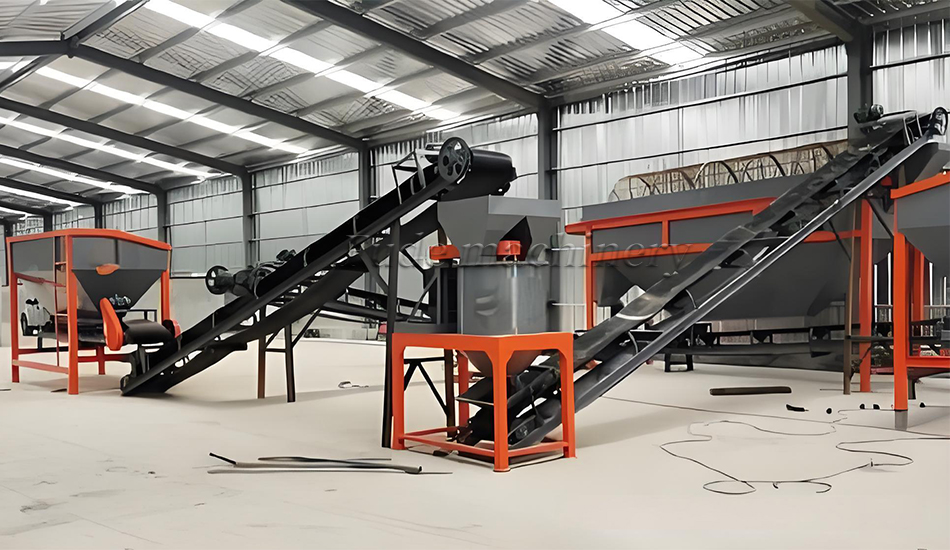
Layout Integration: We customize the inlet and outlet ports to connect perfectly with your conveyor belts or other equipment, creating a smooth and efficient material flow. This is a core part of our one-stop solution service.
2026 Trends in Fertilizer Crushing Technology
Looking towards 2026, the newest developments in fertilizer crusher machine technology are focused on two key areas: increasing durability and improving operational intelligence. We are at the forefront of these trends. The hammers and chains inside a crusher are “wear parts,” and their lifespan is a major factor in your operating costs. We are now using new, harder alloy materials and advanced heat treatment processes that significantly increase the wear resistance of these components. This means less downtime for you and lower long-term maintenance costs.
The other major trend is intelligent load management. Our latest models can be equipped with sensors that monitor the motor’s amperage. This system can automatically regulate the speed of the infeed conveyor belt. If the crusher starts to become overloaded, the system slows down the feed rate to prevent a jam. Once the load is clear, it speeds it up again. This smart feature ensures the fertilizer crusher machine is always running at peak efficiency without needing constant operator supervision.
Frequently Asked Questions
Q1: What is the main purpose of a fertilizer crusher machine?
To crush large, lumpy/caked raw materials into fine, uniform powder—ensuring smooth operation of downstream equipment (e.g., granulators) and consistent, high-quality fertilizer output.
Q2: Can I use the same crusher for both organic and chemical fertilizer?
It depends on material condition. Wet, sticky organics need a Semi-Wet Material Crusher; dry chemical powders work with Vertical/Hammer Crushers. A single machine can be used only if organics are fully dried and brittle (rare).
Q3: How do I choose the right size crusher for my plant?
Base on your ton-per-hour production capacity. Fude Machinery calculates your required throughput and matches it to a model with optimal motor power and chamber size to avoid production bottlenecks.
Q4: What is the average lifespan of a fertilizer crusher machine?
A well-maintained quality machine (e.g., Fude Machinery) has a main body lifespan of over 10 years. Wear parts (hammers, chains) need periodic replacement—we use high-strength alloys to extend their life and cut maintenance costs.
Summary and Recommendations
Choose the right fertilizer crusher by matching tech to material moisture. Go screenless (like our Semi-Wet Material Crusher) for wet, sticky organics to avoid clogging; pick Vertical or Hammer Crushers for dry, brittle chemicals/minerals for efficient fine grinding.
Partner with a factory-direct, one-stop manufacturer that analyzes your needs, customizes equipment, and integrates it seamlessly into your production line. The right choice cuts costs, minimizes downtime, and drives overall operational success.
Contact us today for a free consultation. Our experts will help you select the perfect fertilizer crusher machine and design a system that turns your raw materials into high-value products.
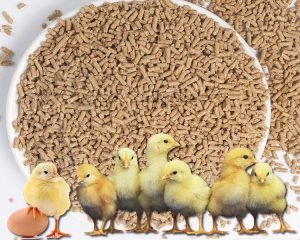
Recently, there was a 2-3tph capacity chicken feed pellet plant established in New Zealand, mainly for feed marketing. This animal feed pellet production line was using a horizontal ring die pellet mill that is easy to install, manage and maintai...
The organic fertilizer horizontal crusher, as a specialized mechanical equipment for processing organic fertilizers, has its unique advantages and disadvantages. The following is a detailed analysis of its advantages and disadvantages: ...
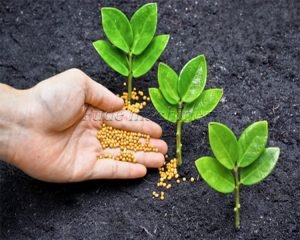
With the booming development of green agriculture, the market demand for organic fertilizers continues to grow and the traditional production methods have been unable to meet the growing market demand. This time the emergence of efficient and i...
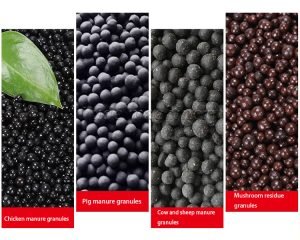
In summary, organic fertilizer granulation not only provides basic functions such as plant nutrition, improving soil structure, and enhancing crop quality, but also has advantages such as environmental sustainability...
 Organic fertilizer equipment,organic fertilizer production line,organic fertilizer equipment factory