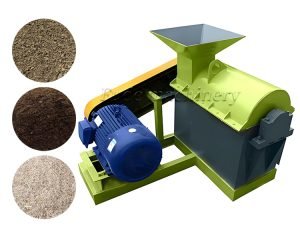
As a manufacturer of organic fertilizer equipment, we talk to producers all over the world. We see one problem more than any other: wet, sticky materials clogging up their equipment. When you are dealing with fresh compost, animal manure, or municipal sludge, a standard crusher with a screen is not an option. It will clog in minutes. This is why you need a specialized machine. You need a Semi-Wet Material Crusher. This machine is the heart of any production line that processes high-moisture organic waste. It is engineered to do one job perfectly: crush wet materials without ever clogging.
Why Do Wet Materials Clog Standard Crushers?
Standard crushers clog with wet materials because they almost always use a screen at the bottom to control the size of the output. A screen has small holes that only allow fine particles to pass through. When you put wet, sticky material into this kind of machine, a process called “plastering” happens almost immediately. The wet material is pressed against the screen and acts like a thick mud, sealing the holes shut. Once the screen is blocked, nothing can get out. Material builds up inside the machine, the motor strains, and the entire production line grinds to a halt.
This is a major source of frustration for many organic fertilizer producers. You have to stop everything, open the crusher, and spend valuable time cleaning out a heavy, gummy mess. The Semi-Wet Material Crusher was invented to solve this exact problem. Its design makes clogging physically impossible.
How Does a Semi-Wet Crusher Solve This Problem?
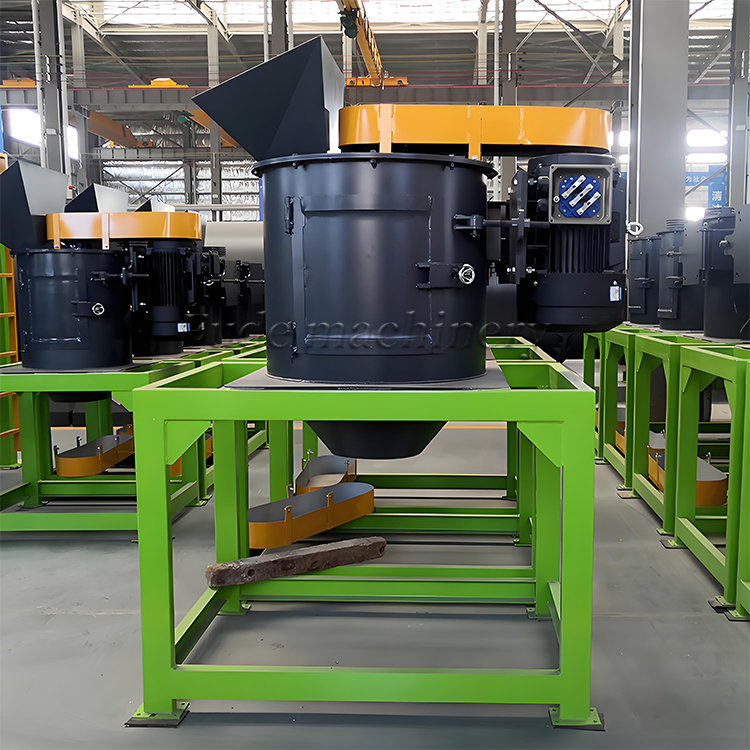
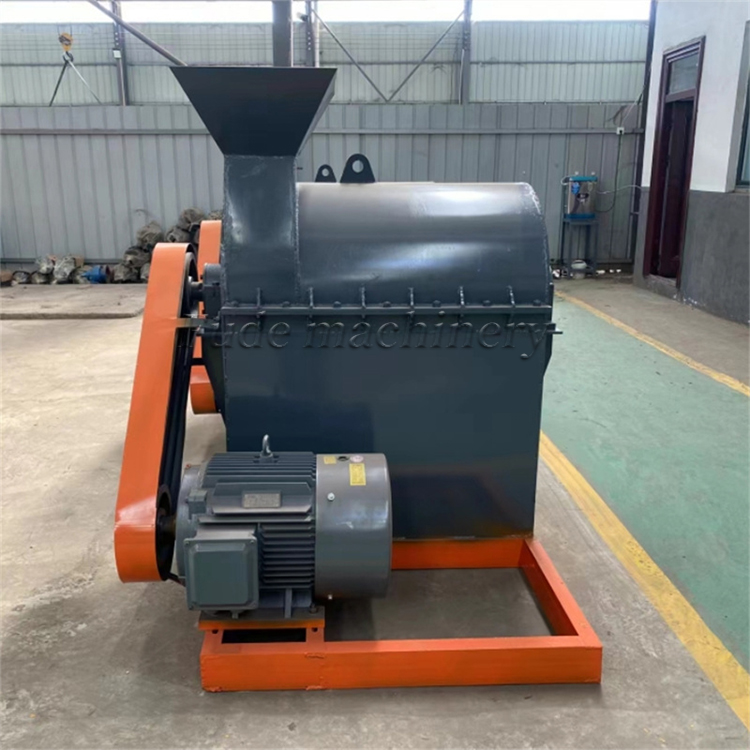
A Semi-Wet Material Crusher solves the clogging problem by using two key design features: it is completely screenless, and it uses two high-speed rotors that spin in opposite directions. This combination creates a powerful and efficient crushing action that can handle even the stickiest materials.
Here is a breakdown of how we engineer this solution at Fude Machinery:
Screenless Design: This is the most important feature. There is no screen to clog. Material is fed in from the top, crushed in the chamber, and discharged from the bottom in a continuous flow.
Upper and Lower Dual Rotors: The machine has two horizontal shafts, one above the other. Each shaft is fitted with rows of hardened, chain-style hammer heads.
Opposing High-Speed Rotation: The top rotor spins in one direction, and the bottom rotor spins in the opposite direction at high speed.
Mid-Air Crushing Action: When material enters the crusher, the top rotor hammers shatter it and throw it down towards the bottom rotor. The bottom rotor, spinning the other way, catches this material in mid-air and shatters it again against the casing. This process happens thousands of times per minute, pulverizing the material into a fine powder.
This dual-action, screenless system is the secret to its success. It is a powerful and reliable piece oforganic fertilizer equipment for any serious producer.
Which Materials Are Perfect for This Machine?
You need a Semi-Wet Material Crusher if your raw material has a moisture content between 20% and 50%. This machine is the specialist for organic waste that is too wet for other crushers. If you are handling any of the following materials at the start of your production line, this machine is the right choice.
This crusher is the ideal solution for:
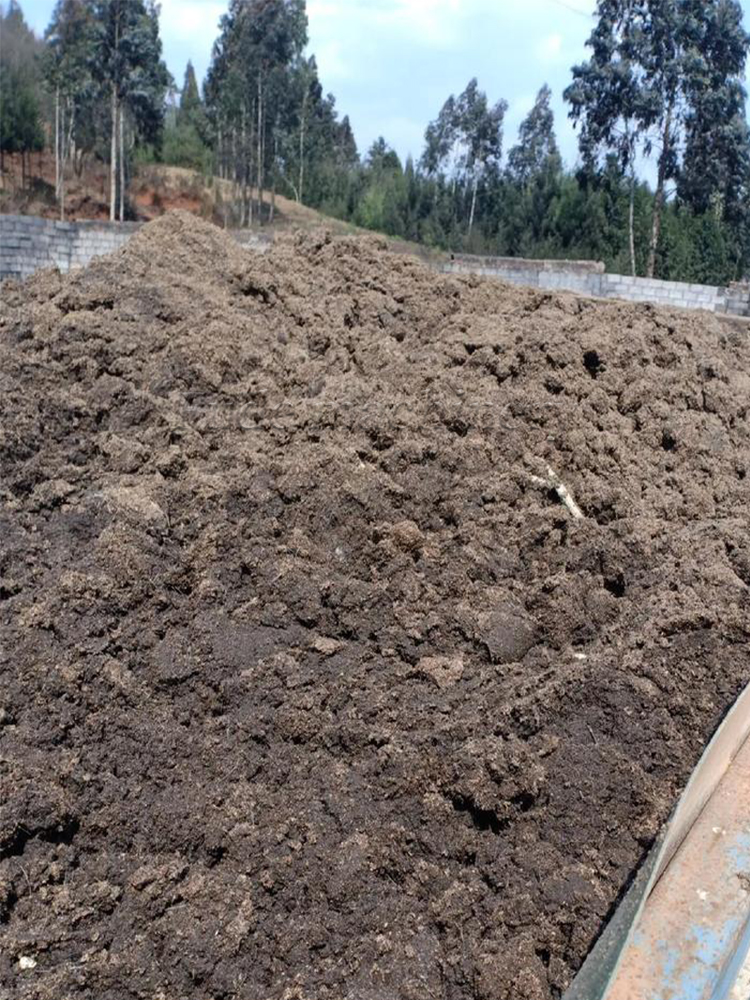
Fresh Animal Manure: Raw manure from chicken, cow, pig, and sheep farms is often very wet and sticky. This machine can process it directly after it comes from the farm.
Composted Materials: Especially during the early to middle stages of composting, the material holds a lot of moisture. This crusher breaks down lumps and prepares the compost for screening and granulation.
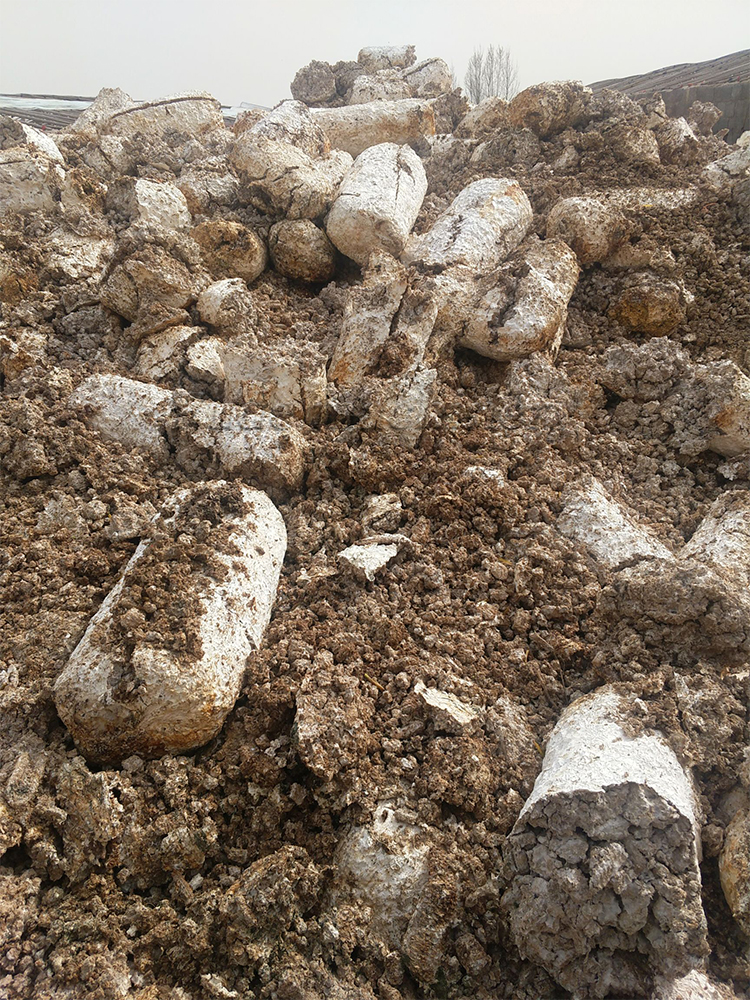
Municipal Sludge: Dewatered sludge from wastewater treatment plants is a common organic fertilizer ingredient that is very difficult to handle without this machine.
Biogas Residue: The leftover material from biogas digesters is nutrient-rich but also very wet.
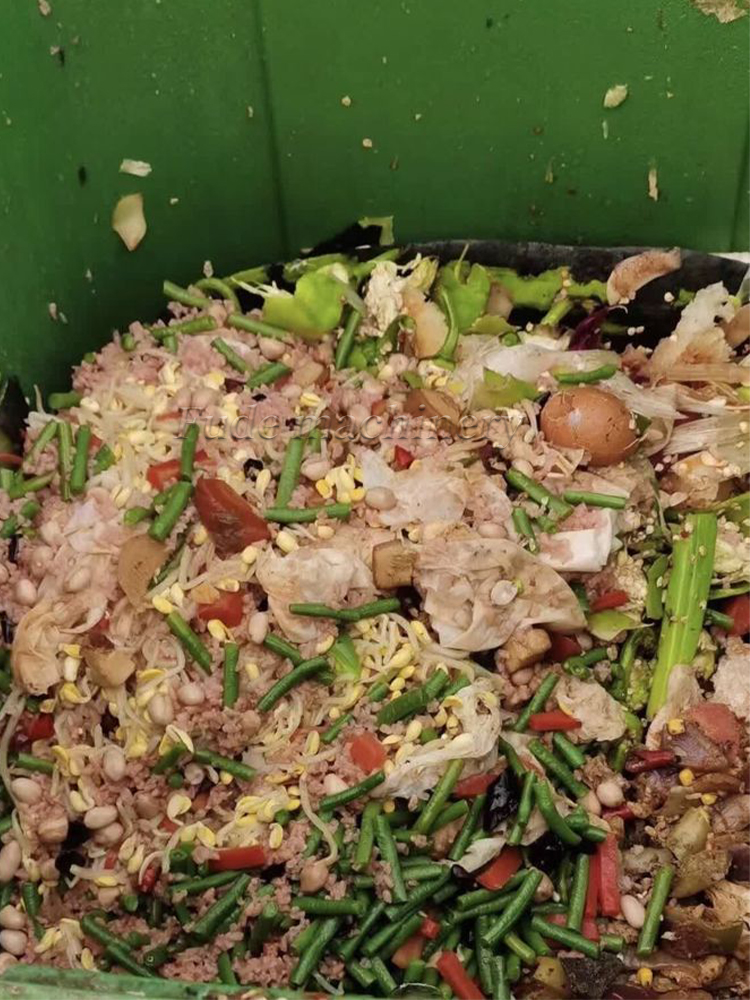
Other Wet Organic Waste: This includes food waste, some types of agricultural waste, and other organic materials that are difficult to dry.
Semi-Wet vs. Other Crushers: A Manufacturer’s Advice
Choosing the right fertilizer crusher is critical. As a manufacturer of a full range of equipment, we can help you understand the differences so you can make the best choice for your specific needs.
Feature
Semi-Wet Material Crusher
Vertical Crusher
Horizontal Crusher
What This Means For You
Mechanism
Dual Rotors (Screenless)
Vertical Chains (Screenless)
Chain & Blade (With Screen)
The mechanism determines the type of material it can handle. Screenless is key for wet materials.
Moisture Range
High (20-50%)
High & Fibrous (20-50%)
Moderate (15-35%)
This is the most important factor. Match the machine to your material’s moisture level.
Best For
Sticky, Wet Lumps (Manure, Sludge)
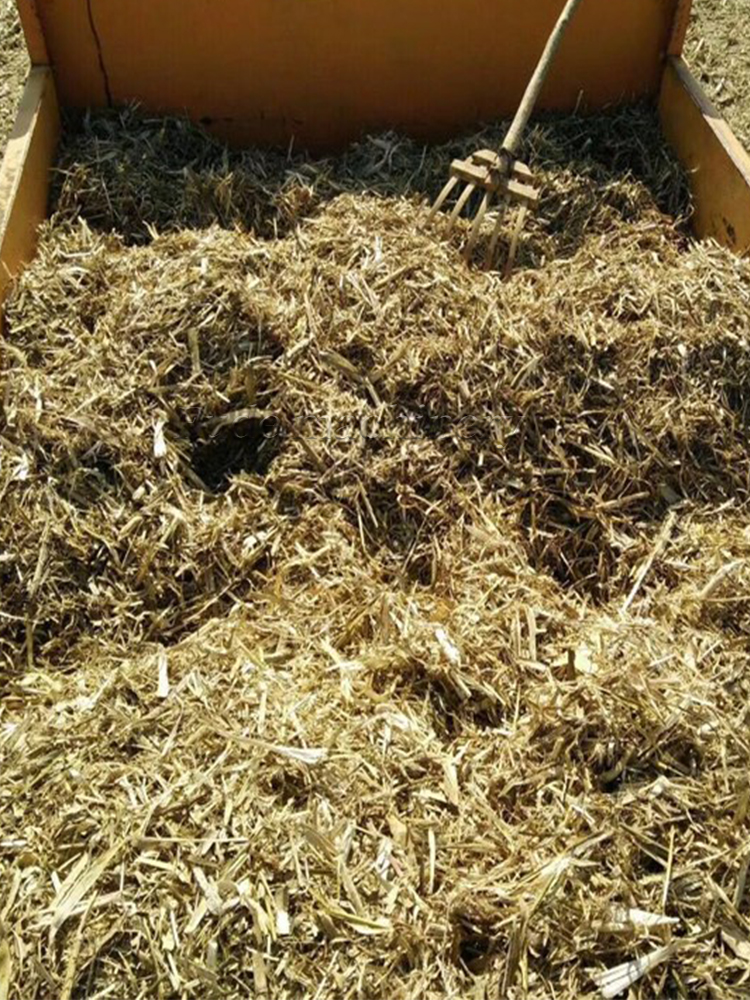
Fibrous, Wet Material (Straw Compost)
High-Volume, Semi-Dry Lumps
Each machine is a specialist. The Semi-Wet Crusher is the specialist for moisture.
Key Advantage
100% Clog-Proof with Wet Materials
Unmatched for Tough Fibers
Very High Throughput Capacity
Choose the advantage that solves your biggest production problem.
While a Vertical Crusher is also great for wet materials, its main strength is handling tough fibers. If your material is primarily sticky and lumpy without a lot of long fibers, the Semi-Wet Crusher is the more efficient and cost-effective choice.
Frequently Asked Questions
Question 1: What is a semi-wet material crusher used for? A semi-wet material crusher is specifically used for crushing organic materials with high moisture content, typically between 20% and 50%. It is perfect for materials like fresh animal manure, compost, and municipal sludge that are too wet and sticky for standard crushers.
Question 2: Why is this crusher screenless? The screenless design is its most important feature. Wet, sticky materials would quickly plaster over and clog a traditional screen, stopping production. By being screenless, the crusher allows material to be pulverized and discharged continuously, making it truly clog-proof.
Question 3: Can the semi-wet crusher handle dry materials? While it can process drier materials, it is not the most efficient tool for that job. It is a specialist machine designed for high moisture. For moderately dry, lumpy materials, a Horizontal Crusher with a screen is often a better choice for controlling particle size.
Question 4: How is the final particle size controlled without a screen? Particle size is controlled by the speed of the dual rotors and the clearance between the hammers and the casing. The high-speed, opposing action ensures the material is repeatedly struck and shattered into a fine powder before it can exit the machine.
Summary and Recommendations
The Semi-Wet Material Crusher is a true problem-solver. It is the essential machine for any organic fertilizer producer who needs to process high-moisture, sticky raw materials. Its unique screenless, dual-rotor design guarantees reliable, clog-free operation, saving you time, money, and frustration. It is the critical first step in turning challenging organic waste into a valuable, easy-to-handle product.
At Fude Machinery, we build our Semi-Wet Crushers to be tough, durable, and easy to maintain. As a factory-direct manufacturer, we can customize the machine’s size and power to perfectly match your production needs. Investing in the rightfertilizer crusher at the beginning of your process is the foundation of a successful and profitable plant.
About Fude Machinery
We are Fude Machinery, a specialist B2B manufacturer of organic fertilizer equipment based in Zhengzhou, China. Since our founding in 2015, our 8,000 m² factory and team of 15 engineers have provided factory-direct, customizable solutions for every stage of fertilizer production. We proudly serve businesses in over 120 countries, offering robust machinery and full-service support.
Are you struggling with wet, sticky materials? Contact our expert team today for a free consultation and a quote on a Semi-Wet Material Crusher that will solve your clogging problems for good.
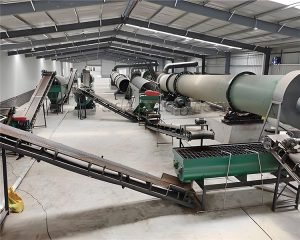
The production of organic fertilizers involves multiple steps such as raw material selection, pretreatment, fermentation, granulation, drying, cooling, screening, and packaging. The following is a detailed organic fertilizer production process: ...
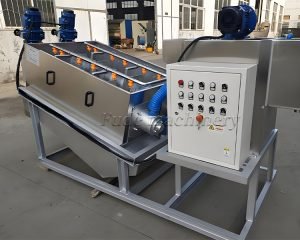
Stacked screw solid-liquid separator (referred to as stacked screw machine) is a solid-liquid separation equipment widely used in various industries. The following are some of the main types of solid waste that can be processed by a stacked screw...
Organic fertilizer horizontal crusher is an efficient and practical equipment for crushing organic materials. It is suitable for processing a wide range of materials, including but not limited to the following categories: In addi...
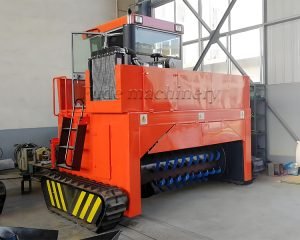
Crawler compost turners are self-propelled machines that travel over compost windrows. They use a rotating drum with teeth to lift, mix, aerate, and crush the organic material, significantly speeding up the composting process and ensuring uniform...
 Organic fertilizer equipment,organic fertilizer production line,organic fertilizer equipment factory