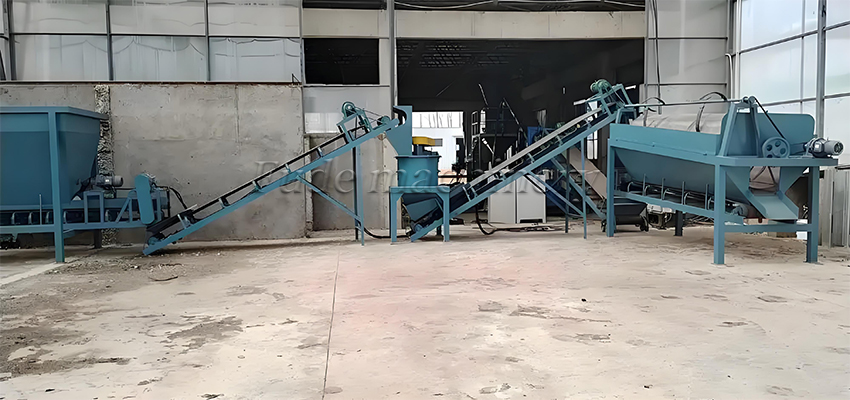
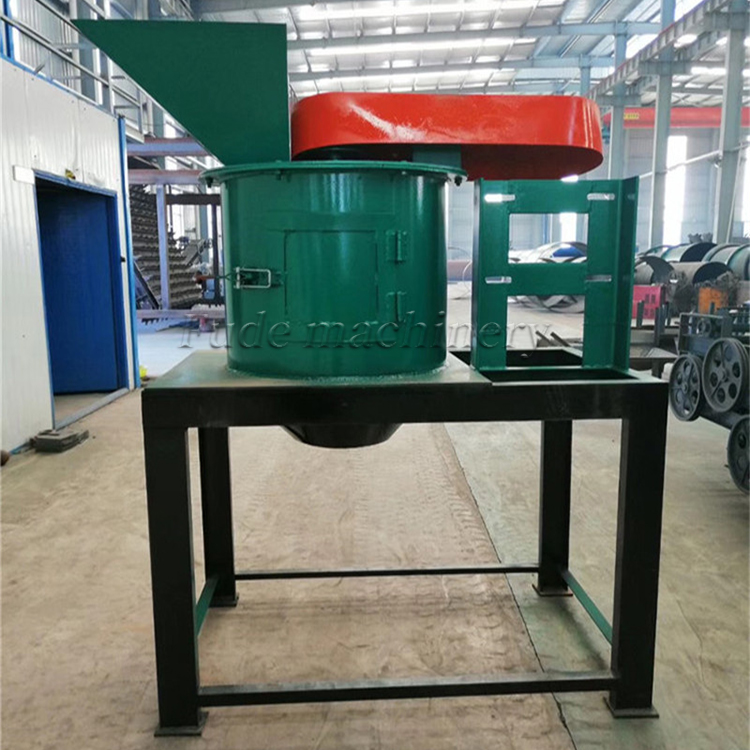
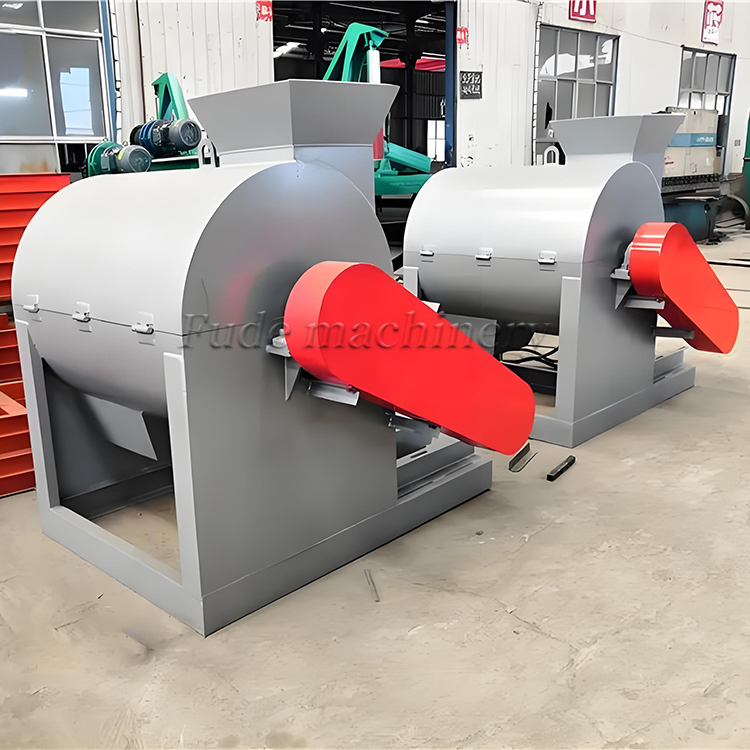
A bio-organic waste crusher is a specialized machine designed to do one thing exceptionally well: shred tough, stringy, and wet organic materials that would jam a normal crusher. If you work on a large farm, manage municipal waste, or run a food processing plant, you know that raw organic waste is not neat and uniform. It is a messy mix of things like crop stalks, fibrous vegetable waste, and wet manure. At Fude Machinery, we designed this machine as the heavy-duty starting point for your entire composting operation.
Why Is Raw Bio-Organic Waste So Difficult to Crush?
Raw bio-organic waste is difficult because it is a high-fiber, high-moisture, and inconsistent mixture. Unlike post-composted material, which is more uniform, raw waste presents three major challenges for standard equipment. Understanding these challenges is key to realizing why you need a specialized machine like a bio-organic waste crusher.
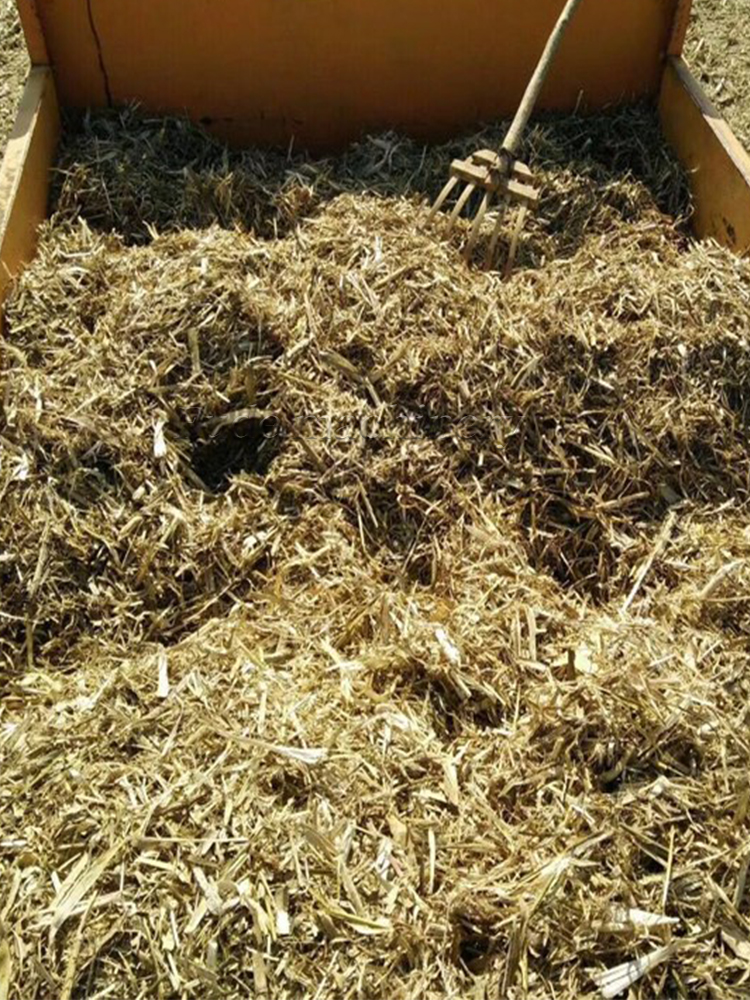
First, the high fiber content from materials like corn stalks, straw, or sugar cane residue is a big problem. These long fibers do not shatter on impact. Instead, they can wrap around the rotating parts of a standard crusher, quickly causing it to jam and stop. Second, the high moisture content in things like animal manure, food scraps, or green waste makes the material sticky. This sticky mass will clog the screens found in most crushers, leading to constant cleaning and downtime. Finally, the material is never the same. One batch might be mostly straw, the next mostly wet sludge. A standard machine is not built for this kind of variation.
How Does This Special Crusher Actually Work?
This machine works by using a combination of high-speed blades and hammers to shred and pulverize material, rather than just crushing it. Think of it less like a rock crusher and more like a giant, industrial-strength food processor. When you feed your mixed organic waste into the hopper, it first meets a series of sharp, hardened steel blades. These blades are designed to slice through long fibers, cutting materials like straw and stalks into smaller, manageable pieces.
Immediately after the blades, the material is struck by rapidly swinging hammers. These hammers pulverize the now-chopped material, breaking it down into a much smaller, fluffier texture. Crucially, most of our bio-organic waste crusher models have a screenless design. This means there is nothing for the wet, sticky material to clog. The shredded material simply falls out of the bottom, ready for the next stage. This dual-action, screenless system is the secret to its ability to handle the toughest organic waste.
Is This the Right Machine for Your Type of Waste?
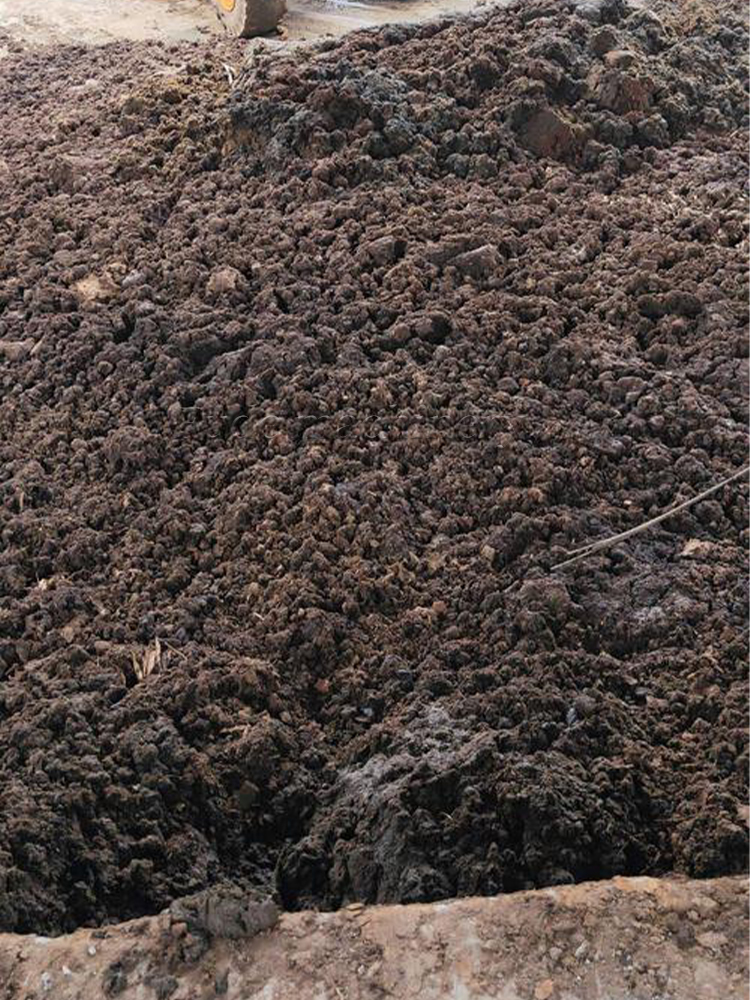
A bio-organic waste crusher is the right choice if you are processing raw, un-composted materials, especially those with high fiber or moisture content. This machine is a pre-processor. Its job is to prepare your waste for a much faster and more efficient composting cycle. If you are handling any of the materials in the table below, this crusher will be a valuable asset to your operation.
However, if your material is already composted, dry, and relatively uniform, you might need a different type of fertilizer crusher designed for finer grinding. This machine is for the raw, tough stuff at the very beginning of the process.
Its blades easily slice through the tough, long fibers that jam other machines.
Animal Manure
Cow dung, chicken manure, pig manure (often mixed with bedding)
It can handle the high moisture and break up the compacted, fibrous bedding material.
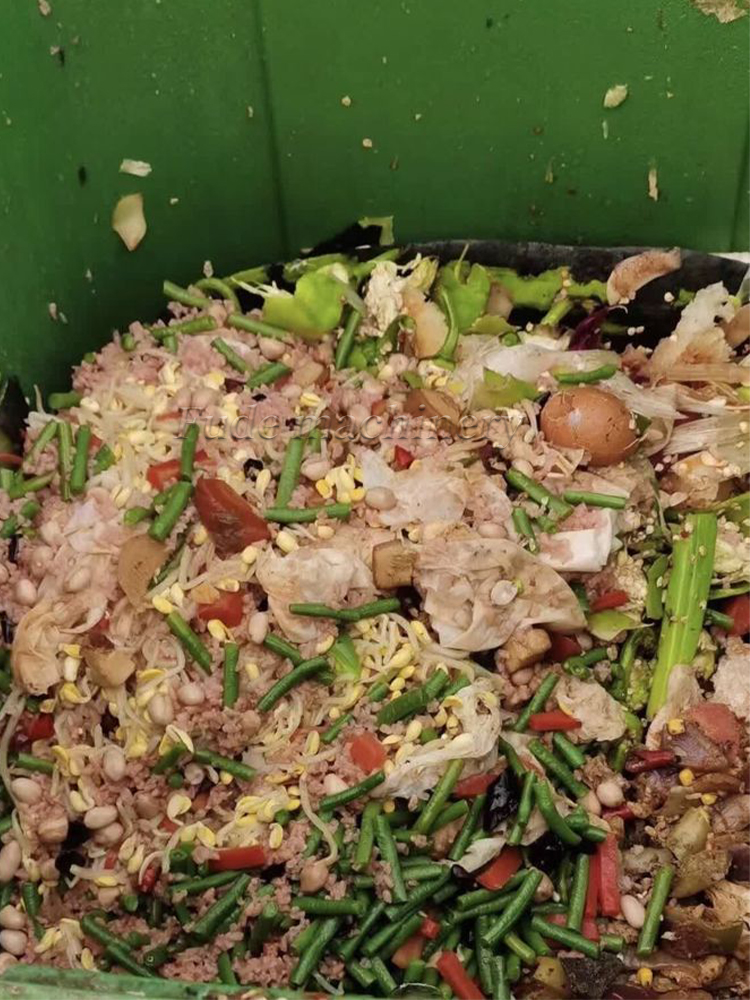
Food Processing Waste
Vegetable scraps, fruit peels, food processing sludge
It effectively shreds the wet, sticky, and often fibrous waste from canneries or factories.
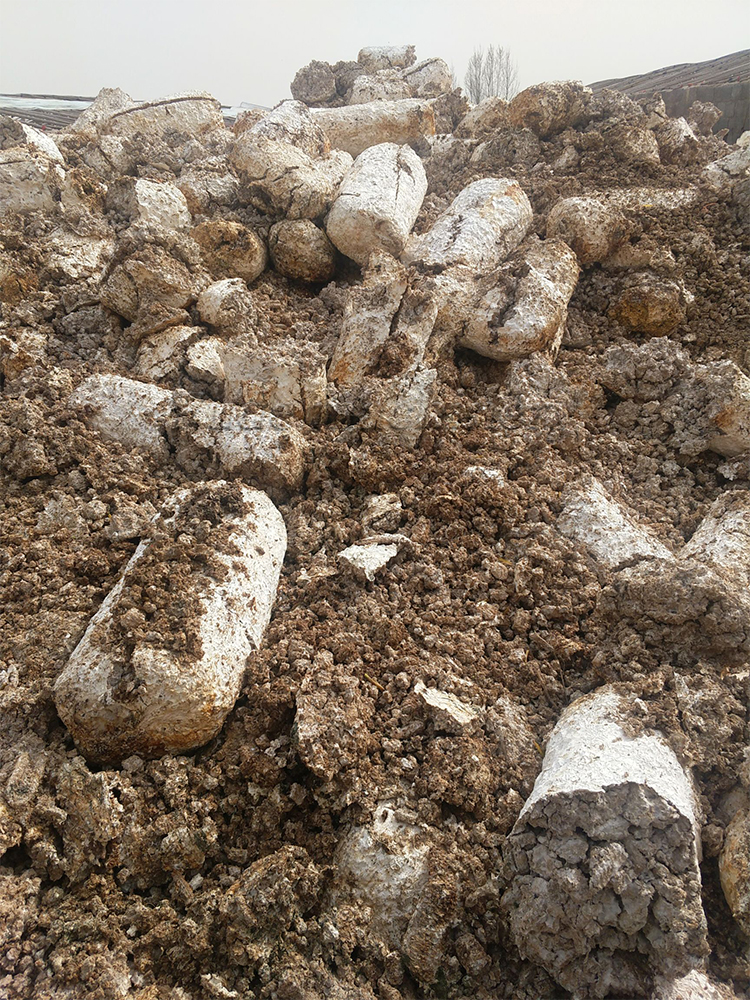
Municipal/Green Waste
Tree trimmings, grass clippings, leaves, garden waste
It has the power to shred woody materials and handle the high moisture of green waste.
How Does This Crusher Make Your Whole Operation Better?
Using a bio-organic waste crusher at the start of your process makes every subsequent step faster, more efficient, and more effective. The initial investment in this machine pays off by improving your entire workflow. The most significant benefit is a dramatically shorter composting time. By shredding the raw waste, you increase its surface area. This gives the beneficial microbes in your compost pile much more to feed on, accelerating the decomposition process. A composting cycle that might take two months can often be reduced to just three or four weeks.
This pre-crushing step also leads to a higher quality final compost. The shredded material allows for better airflow (aeration) throughout the compost pile, preventing anaerobic dead spots and ensuring a more uniform and complete fermentation. This results in a more valuable end product. Finally, by preparing the material properly, you put less strain on your other equipment, like your compost turner, reducing wear and tear and maintenance costs over time.
2025 Trends in Organic Waste Processing
Looking to 2025, the technology for the bio-organic waste crusher is advancing to become smarter and more durable. We are focused on two key areas of innovation. The first is blade and hammer technology. We are experimenting with new, harder steel alloys and specialized coatings that make the cutting and crushing components last much longer, even when processing abrasive materials like soil-mixed waste. This reduces the frequency of parts replacement, saving you time and money.
The second major trend is integration and automation. We are designing our crushers with optional load-sensing technology. These smart systems can monitor the strain on the motor and automatically adjust the speed of the infeed conveyor. This prevents overloading and ensures the machine is always running at its most efficient speed. This level of automation reduces the need for constant operator supervision and maximizes your plant’s throughput.
Frequently Asked Questions
Question 1: What is the difference between this and a standard fertilizer crusher? A standard fertilizer crusher is for post-composted, relatively uniform material. A bio-organic waste crusher is a heavy-duty pre-processor. It is specifically designed with special blades and higher power to handle raw, wet, high-fiber, and mixed waste before composting to speed up the process.
Question 2: Can this machine handle wet green waste? Yes, absolutely. The bio-organic waste crusher is specifically designed to handle high-moisture materials like fresh green waste, vegetable scraps, and wet animal manure without clogging. Its internal design prevents sticky materials from building up.
Question 3: What is the maximum size of material it can take? This depends on the specific model. Generally, our bio-organic waste crushers can handle materials up to several inches in diameter, such as small branches or thick stalks. We can customize the inlet hopper size based on the type of waste you need to process.
Question 4: How does crushing waste before composting help? Crushing waste before composting significantly speeds up the fermentation process. It increases the surface area for microbes to work on, improves aeration within the compost pile, and ensures a more uniform and complete decomposition. This can shorten your composting cycle by weeks.
Summary and Recommendations
The bio-organic waste crusher is not an optional extra; it is the essential first tool for any serious organic waste processing operation. It is specifically engineered to overcome the common challenges of high-fiber and high-moisture materials that defeat standard equipment. By shredding your raw waste before composting, you will shorten your production cycle, improve the quality of your final product, and make your entire operation run more smoothly.
We recommend you analyze the type of waste you handle most. If it is raw, mixed, and tough, investing in a specialized bio-organic waste crusher is one of the smartest business decisions you can make. As a direct manufacturer, we can help you select and even customize the perfect model to match the specific needs of your farm, factory, or processing plant.
About Fude Machinery
We are Fude Machinery, a specialist manufacturer of organic fertilizer equipment from Zhengzhou, China. We have been providing factory-direct, customized solutions to businesses in over 120 countries since 2015. Our complete product line and team of 15 dedicated engineers ensure you get a robust, reliable machine that is perfectly integrated into your production process, helping you turn waste into wealth efficiently.
Ready to conquer your toughest waste materials? Contact our expert team today for a free consultation and a detailed quote on a bio-organic waste crusher tailored for you.
A double roller extrusion granulator can process many materials. It works well for organic fertilizers, compound fertilizers, and chemical powders. It gives you dense, uniform granules for diverse needs. Is choosing a granulator a headache? D...
The efficient production of mineral granular fertilizers stands as a crucial task for industries aiming to maximize resource utilization and product quality. Various sectors, such as mining, chemical, and environmental management, require high-pe...
Granulating limestone powder solves dust problems, improves handling, enables precise application, reduces waste during transport and storage, and can enhance soil interaction. It makes limestone significantly more practical and effective for var...
Feed pellet machine is also named as pellet feed mill, fodder pellet mill. It belongs to animal feed processing equipment, which can directly extrude corn, soybean meal, rice husk, straw and grass into small pellets. Straw biochemical t...
 Organic fertilizer equipment,organic fertilizer production line,organic fertilizer equipment factory