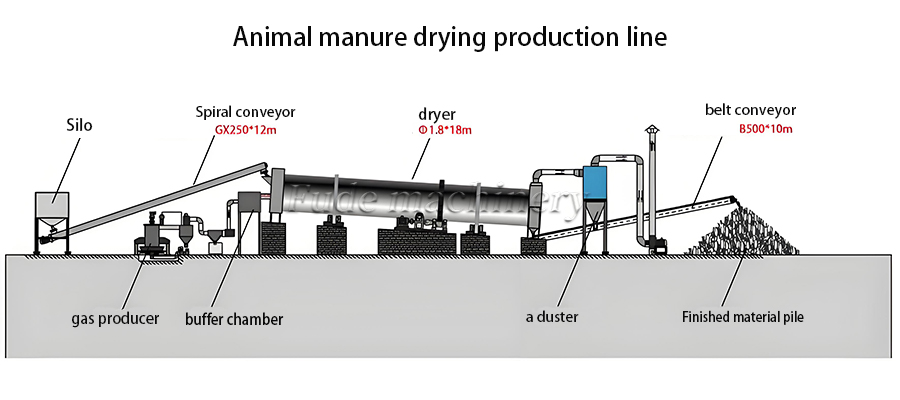
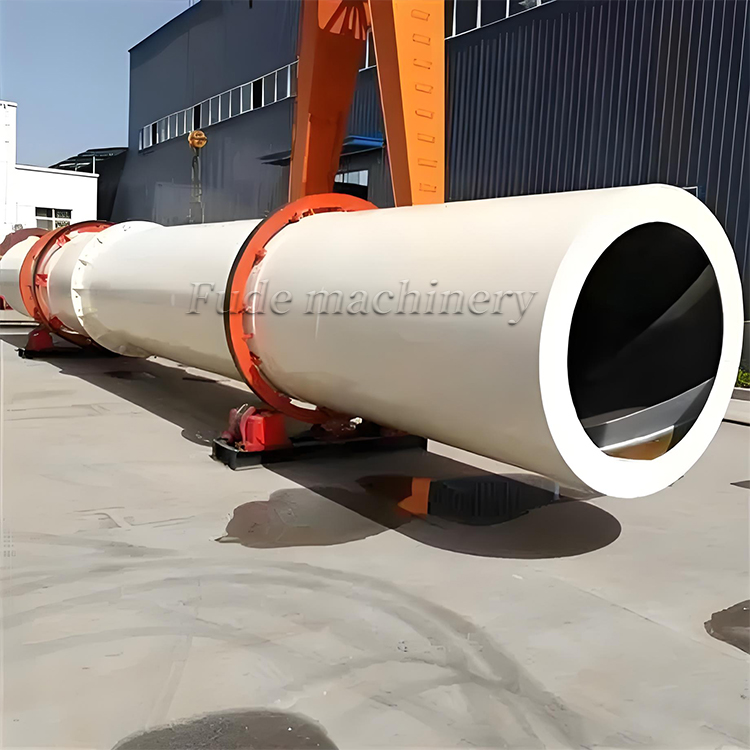
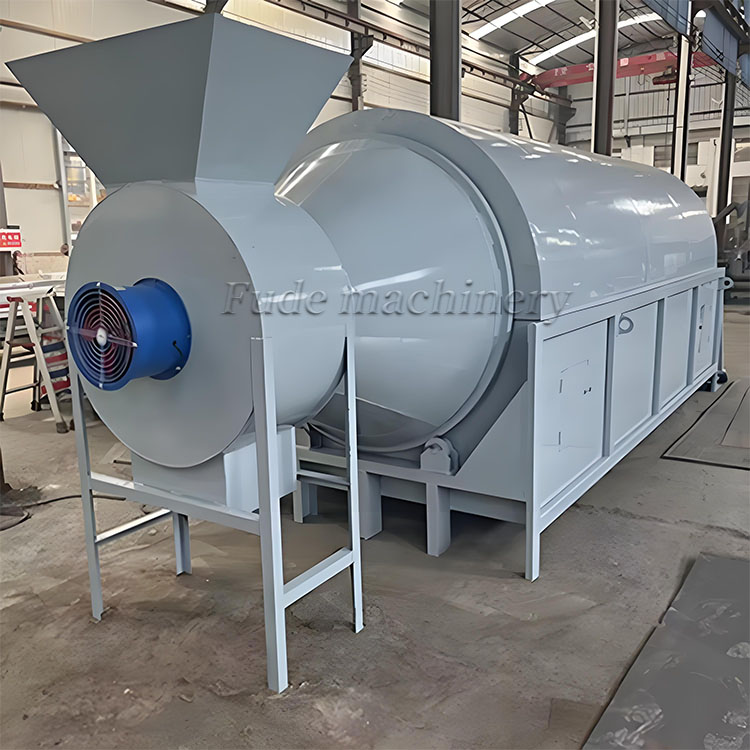
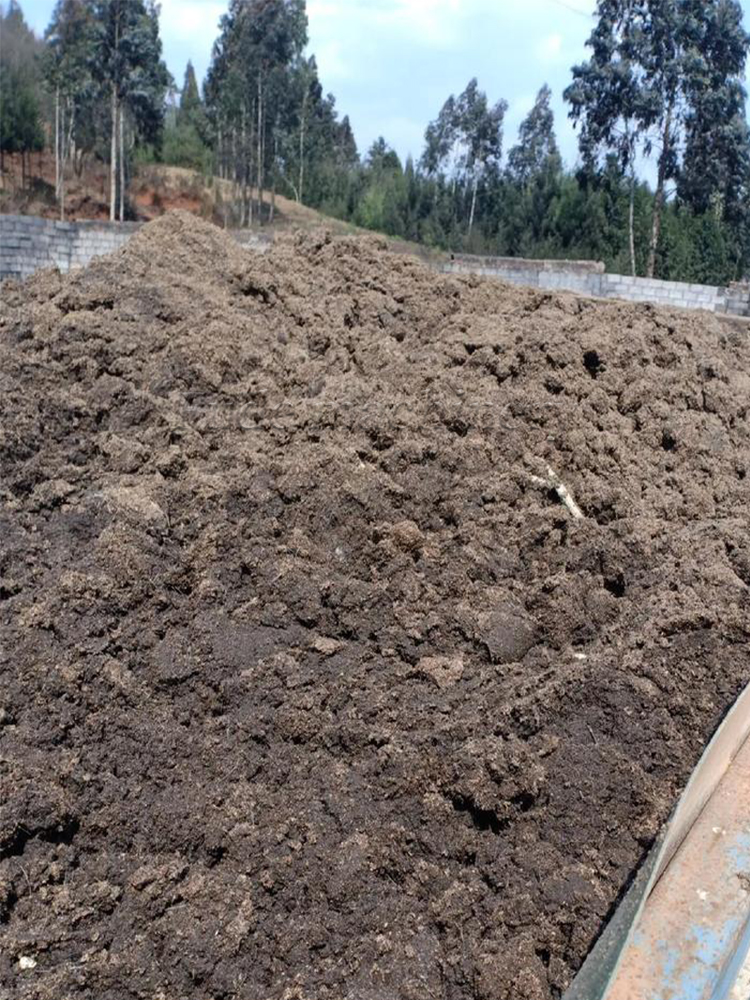
An organic fertilizer dryer is a quality control machine. It solves the most common and costly problems you face as a producer. After granulation, your fertilizer holds too much water. This excess moisture is the root cause of issues like caking, nutrient loss, bad odors, and short shelf life. Our dryers fix this by precisely controlling the final moisture content. This simple step transforms your product from a raw material into a high-value, professional-grade fertilizer that customers trust.
The #1 Problem: Why Is Your Fertilizer Caking and Clumping?
Your fertilizer cakes because excess moisture acts like a glue between granules, especially under pressure. When you stack bags of damp fertilizer in a warehouse, the weight presses the granules together. The water molecules create bonds between particles. As the product sits, these bonds harden, forming solid clumps or even one large brick inside the bag. This makes the fertilizer very difficult for your customers to use.
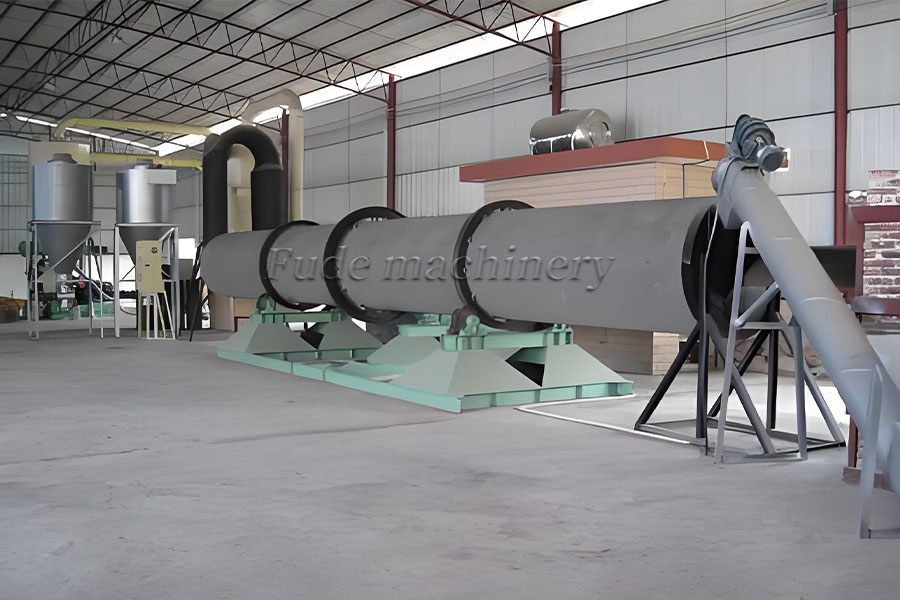
An organic fertilizer dryer solves this problem directly. It uses a large, rotating drum to tumble the wet granules in a stream of hot air. This process does two things at once. First, it removes the excess water “glue.” Second, the constant tumbling motion hardens each granule individually. The result is a finished product made of hard, round, separate particles that flow like sand. They will not stick together, even when bagged and stacked. This is the secret to producing a free-flowing, easy-to-use fertilizer.
Before and After: The Impact of Proper Drying
The difference in quality is huge. A dryer is not just another machine; it is an investment in your brand’s reputation.
Quality Factor
Product Without a Dryer
Product With Our Dryer
What This Means For You
Appearance
Damp, clumpy, inconsistent
Dry, uniform, professional
Your product looks better on the shelf
Handling
Sticks in hoppers and spreaders
Flows easily and smoothly
Your customers have a better experience
Packaging
Clogs automated bagging lines
Perfect for high-speed packaging
You can increase production efficiency
Storage
High risk of turning into a solid block
Stays loose and usable for months
You have less wasted product and fewer complaints
A real-world case: A client in a humid region was receiving constant complaints about caked fertilizer. After installing one of our rotary dryers to bring their product moisture down to 15%, the caking issue was completely eliminated. This single change improved their customer satisfaction and repeat orders.
How Does a Dryer Prevent Nutrient Loss and Bad Odors?
A dryer preserves nutrients by quickly stopping the biological processes that cause them to break down. After composting, your fertilizer is rich in valuable nutrients like nitrogen. But if the material stays too wet and warm for too long, unwanted microbes can become active again. These microbes can turn your valuable nitrogen into ammonia gas, which then escapes into the air. This not only reduces your fertilizer’s effectiveness but also creates strong, unpleasant odors.
The fertilizer drying process in our machines is fast and controlled. We use enough heat to evaporate the water and halt this microbial activity. This essentially “locks in” the nutrients that you developed during the composting phase. By bringing the moisture level down quickly, we put the material into a stable, dormant state. This means the nitrogen and other valuable organic compounds remain in your fertilizer, not in the air. This preserves the product’s value and makes it much more pleasant to handle.
What Is the Perfect Moisture for Storage and Transport?
The ideal moisture content for most organic fertilizers is below 20%, with a target of around 15% for long-term storage. This specific range is critical for two main business reasons: preventing spoilage and reducing costs. Mold and fungi need water to grow. By keeping the moisture below 20%, you create an environment where spoilage organisms cannot survive. This dramatically increases the shelf life of your product.
Lowering the moisture also has a direct impact on your bottom line. Water is heavy. Let’s say your granules are at 40% moisture after granulation. By drying them to 15%, you are removing a significant amount of dead weight. Every truckload of fertilizer you ship contains more actual product and less water. This reduces your shipping costs per ton and increases your profitability. An organic fertilizer dryer is a tool that makes your product more stable and your logistics more efficient.
How Do We Customize a Dryer for Your Specific Material?
We design every organic fertilizer dryer based on the unique properties of your raw material. A one-size-fits-all approach does not work. Different materials behave differently when heated and tumbled. As a manufacturer with our own factory and 15 engineers, we have the flexibility to customize our machines. This ensures you get the best possible drying performance, highest efficiency, and a reliable machine that will not clog or fail.
Our customization process starts with a simple conversation. You tell us what you are making fertilizer from. We then adjust the dryer’s design, including its length, diameter, rotation speed, and internal structure, to match your material perfectly.
For Sticky Materials like Manure or Sludge
Sticky, high-moisture materials are a common challenge. They can build up on the inside wall of a standard dryer, reducing efficiency and eventually causing a blockage.
Our Solution: We install a special set of “chain lifters” inside the drum. These are heavy-duty chains that hang in loops. As the drum rotates, the chains scrape the inner walls, breaking up any clumps and preventing material from sticking. This keeps your production running smoothly.
For Light Materials like Compost or Sawdust
Light, low-density materials can be blown through a dryer too quickly by the hot air, resulting in incomplete drying.
Our Solution: We carefully calculate and control the airflow velocity. We can also adjust the design and angle of the internal lifting flights. This creates a gentle tumbling action that keeps the light material inside the drum for the right amount of time, ensuring it is fully and evenly dried.
2026 Trends in Fertilizer Drying for Quality Control
The future of the fertilizer drying process is all about smart technology. As we move into 2026, we are integrating more automation and data into our machines. The goal is to produce the highest quality fertilizer with the least amount of energy and human supervision. Neworganic fertilizer dryer models now feature advanced sensor suites. These sensors constantly monitor the temperature at the inlet and outlet, as well as the moisture content of the exhaust air.
This data is fed to a central PLC (Programmable Logic Controller) control panel. The system can then automatically adjust the burner’s flame and the drum’s rotation speed. This creates a self-optimizing system that always uses the perfect amount of heat. This not only improves the consistency of your final product but can also reduce your fuel consumption by 15-20%.
Latest Innovations We Are Implementing:
Automated Temperature Control: Sensors and a PLC system work together to maintain the ideal drying temperature, preventing under-drying or overheating.
Heat Recovery Systems: We can add technology that captures waste heat from the exhaust stack. This captured energy is then used to pre-heat the incoming air, significantly boosting fuel efficiency.
Remote Monitoring: Our new systems can be connected to the internet, allowing you or our technicians to monitor performance and diagnose issues from anywhere.
Frequently Asked Questions
Question 1: What is the biggest quality issue a dryer solves? The biggest quality issue an organic fertilizer dryer solves is caking and clumping. By reducing moisture to an ideal level (below 20%), it creates hard, separate granules that do not stick together. This makes your product easy to package, store, and apply.
Question 2: Can drying my fertilizer increase its nutrient value? Drying does not add nutrients, but it is crucial for preserving them. The controlled heating process stops unwanted microbial activity that can lead to nitrogen loss as ammonia gas. This means the nutrients you worked hard to create during composting are locked into the final product.
Question 3: How hot does the dryer get? Will it burn my fertilizer? No, it will not burn your fertilizer. We design the fertilizer drying process with precise temperature controls. The air temperature is carefully managed to evaporate water efficiently without damaging the organic matter or beneficial nutrients in your product.
Question 4: Do I need a dryer for every type of organic fertilizer? For almost all granulated organic fertilizers, a dryer is essential for achieving professional quality. If your raw material is very wet, like animal manure or sludge, a dryer is not optional. It is a necessary step to create a stable, sellable product.
Summary and Recommendations
An organic fertilizer dryer is much more than a machine for removing water. It is a vital tool for quality control. It directly solves the most pressing issues that reduce your product’s value: caking, nutrient loss, spoilage, and high shipping costs. By investing in a properly designed and customized dryer, you are investing in the consistency and reputation of your brand.
We recommend you start by analyzing your material and production goals. What are your specific quality challenges? What is your target moisture content? Then, contact our team. We provide a full-service solution, from helping you choose the right machine to designing its integration into your plant, followed by installation, training, and after-sales support. Let us help you produce a fertilizer you can be proud of.
About Fude Machinery
We are Fude Machinery, a leading manufacturer of organic fertilizer equipment in China. Since 2015, we have been dedicated to providing robust, efficient, and customized solutions to clients in over 120 countries. As a factory-direct company, we eliminate the middleman, offering you competitive pricing on our full range of equipment. Our 8,000 square meter workshop and experienced engineering team are ready to build the perfect system for your needs.
Contact us today to discuss your project. Our experts will provide a free consultation and a detailed quote to help you solve your fertilizer quality issues.
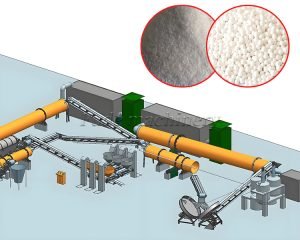
If you are planning to invest in phosphate fertilizer production, understanding the complete process is the first step. You need to know what machines are involved and what each one does. At Fude Machinery, we specialize in building complete ...
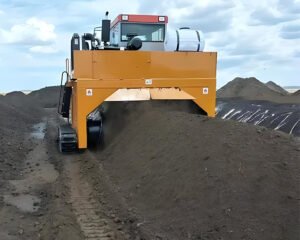
You are managing a large farm or fertilizer facility. You have mountains of organic waste like animal manure, straw, or sewage sludge spread out in long piles, called windrows. Turning these piles with a front-end loader is slow, burns a lot of f...
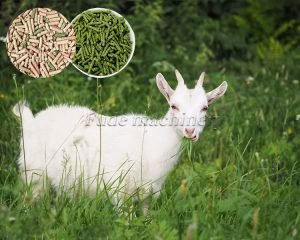
For sheep/goat, cattle/cattle, chickens, rabbits, fish, pigs and other animals, pelleted feed is more conducive to the digestion and absorption of nutrients. The pelleted feed will have strong paste smell caused by the high temperature and high p...
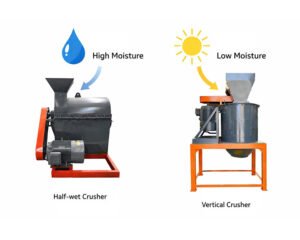
\As a fertilizer producer, you know that the quality of your raw materials is never consistent. Whether you are dealing with composted manure, crop residues, or mineral powders, you will always face clumps, cakes, and oversized particles. This is...
 Organic fertilizer equipment,organic fertilizer production line,organic fertilizer equipment factory